
Key Milestones at a Glance
Introduction: Light in the Darkness
For most of human history, night meant darkness. The hearth fire and the tallow lamp were the only sources of light after sunset. Then, in the late nineteenth century, a new force began to transform cities across the world: electricity. Kenya’s journey to join the electrified world would take over a century, involving sultans and merchants, colonial engineers and independent governments, international financiers and local innovators.
Today, Kenya stands at the forefront of Africa’s energy revolution. It is home to the continent’s first geothermal plant, one of its largest wind farms, and an electrification campaign that has been called one of the fastest in history . But to understand how the nation reached this point, we must begin in the unlikeliest of places: the palace of the Sultan of Zanzibar.
Part One: The First Spark (1875–1921)
1.1. The Sultan’s Generator
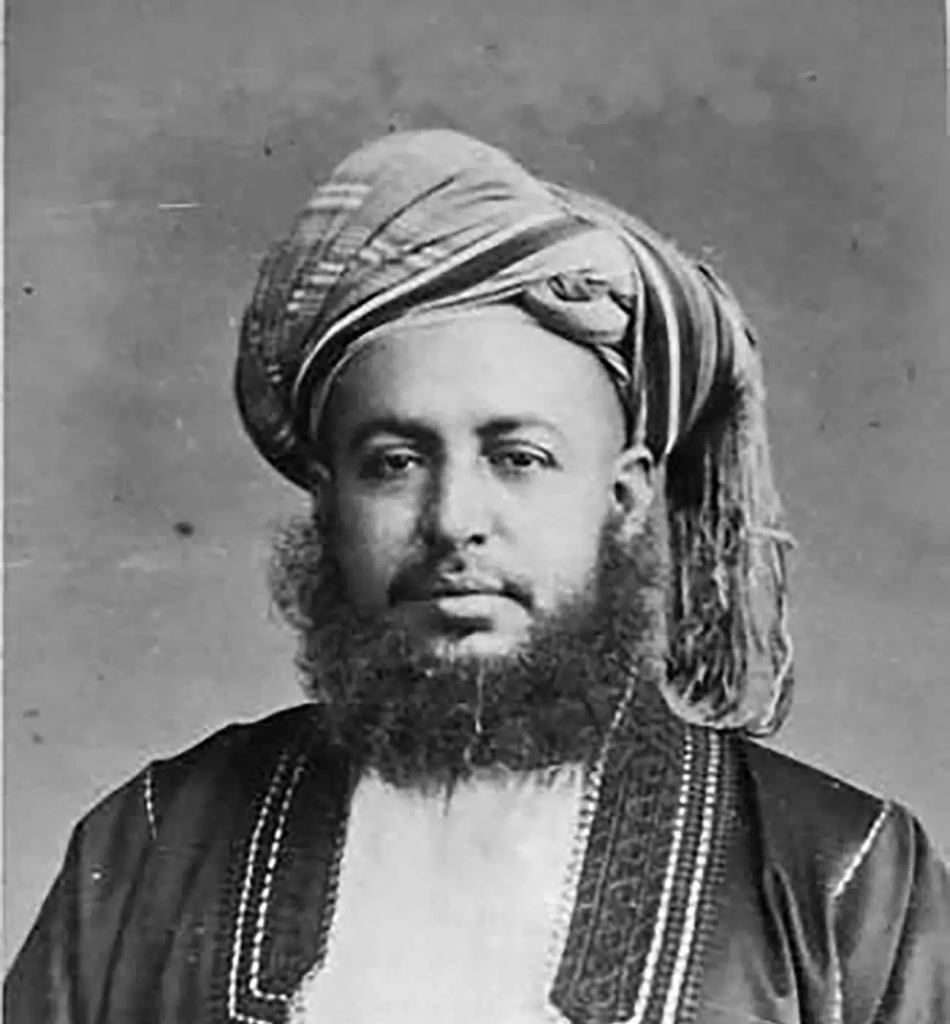
The story of electricity in East Africa begins not in Nairobi or Mombasa, but on the island of Zanzibar. In 1875, Seyyied Barghash, the Sultan of Zanzibar, acquired a small generator to illuminate his palace and the streets immediately surrounding it . It was a modest beginning—a single flame in a vast darkness—but it planted a seed.
For three decades, that seed lay dormant. The technology that would transform the world remained a curiosity for the very wealthy. But the commercial potential of electricity was not lost on the merchants who controlled East Africa’s trade.
1.2. The First Utilities
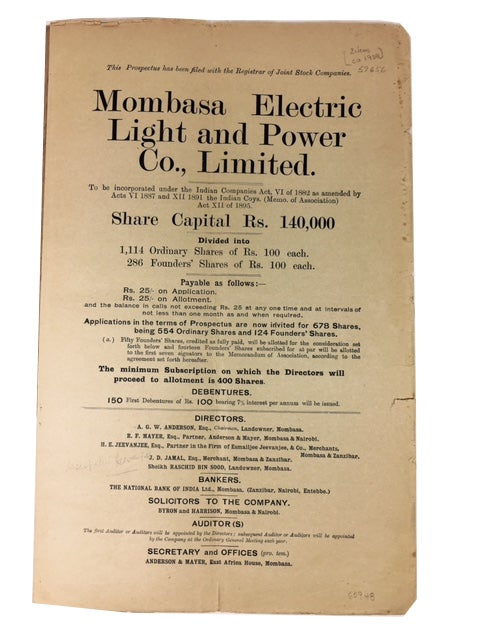
In 1908, a Mombasa-based merchant named Harrali Esmailjee Jeevanjee acquired the Sultan’s generator . Recognising the opportunity, he formed the Mombasa Electric Power and Lighting Company, with a mandate to provide electricity to the island city. In the same year, an engineer named Clement Hirtzel was granted the exclusive right to supply electricity to the fledgling town of Nairobi, leading to the formation of the Nairobi Power and Lighting Syndicate .
These were small, isolated systems serving limited areas. As one study notes, the power system in Kenya grew “from a series of small isolated stations serving limited areas to one comprising a large power grid” . In 1908, that journey was just beginning.
For deeper context: The early commercial development of Nairobi and Mombasa was driven by the same forces that created the need for electricity. For more on the growth of these cities, see The History of Nairobi and The History of Mombasa.
Part Two: The Colonial Grid – From Isolation to Integration (1922–1963)
2.1. The Birth of EAP&L
On 6 January 1922, a landmark event occurred. The Mombasa Electric Power and Lighting Company and the Nairobi Power and Lighting Syndicate merged to form a new entity: the East African Power and Lighting Company (EAP&L) . This was the beginning of a unified approach to electricity in the region.
The new company was ambitious. In 1932, it expanded outside Kenya by acquiring a controlling interest in the Tanganyika Electricity Supply Company Limited (now Tanzania’s TANESCO) . In 1936, it obtained generating and distribution licences for Uganda, entrenching its presence across East Africa .
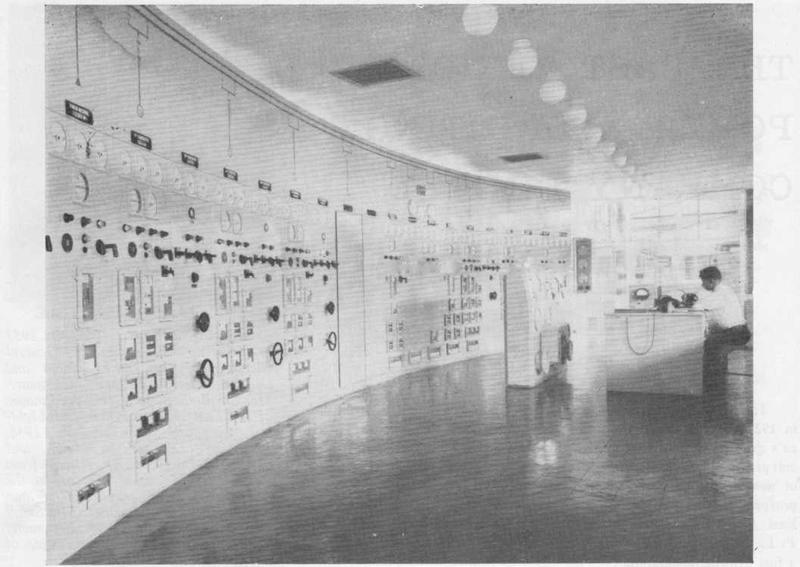
By 1938, the total installed capacity in Kenya stood at 10,314 kWe—a modest figure, but a foundation upon which much would be built .
2.2. The Uganda Connection
A pivotal moment came on 1 February 1954, with the formation of the Kenya Power Company (KPC) . KPC was commissioned to construct a transmission line between Nairobi and Tororo in Uganda, designed to carry power generated at the new Owen Falls Dam (now Nalubaale Dam) to Kenya .
The Owen Falls project, built at the source of the Nile, was one of the largest infrastructure projects in colonial Africa. For the first time, Kenya would draw electricity from beyond its borders—a pattern of regional interconnection that continues to this day. KPC was managed by EAP&L under a contract, maintaining the colonial company’s dominance .
2.3. Growth and Projections
By the time of Kenya’s independence in December 1963, the nation’s installed capacity had grown to 102,214 kWe . The grid remained heavily concentrated in urban areas—Nairobi and Mombasa consumed the vast majority of power—but the foundations of a national system were in place.
A 1983 paper reviewing forty years of development noted that capacity had reached 460,100 kWe by 1978, and projected that supply and demand in the year 2000 would be 1,100,000 and 1,267,000 kWe respectively—a forecast deficit of 167,000 kWe . Those numbers reflected the rapid industrialisation and urbanisation of the post-independence era.
Part Three: Independence and Expansion (1963–1983)
3.1. The Tanganyika Exit
The winds of change that swept Africa in the early 1960s affected even the electricity sector. In 1964, EAP&L exited Tanzania by selling its stake in TANESCO to the newly independent Government of Tanzania . The company’s focus was now solely on Kenya, though its name would not reflect this for nearly two decades.
3.2. Geothermal: Africa’s First
The most significant development of this era was Kenya’s pioneering entry into geothermal energy. The Great Rift Valley, with its volcanic geology, held enormous potential. In the 1970s, exploration began at Olkaria, near Lake Naivasha.
In June 1981, the first unit of the Olkaria I Power Station was commissioned—a 15 MW machine that marked the birth of geothermal power not just in Kenya, but in all of Africa . Two additional 15 MW units followed in November 1982 and March 1985, bringing the station to 45 MW .
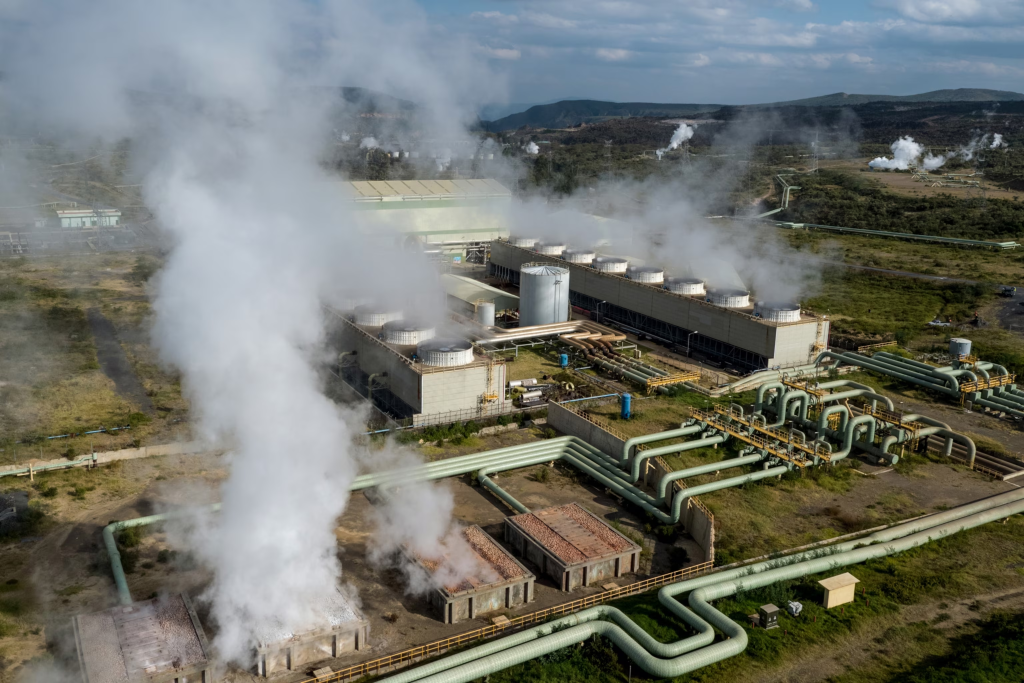
The plant had an average availability factor of over 95 per cent from commissioning, demonstrating the reliability of geothermal energy. The power was connected to the national grid via a 132KV transmission line .
Related reading: Kenya’s geothermal resources are located in the same Rift Valley landscape that has shaped so much of the nation’s history. For more on this region, see The Maasai in Transition.
3.3. The Name Changes
In 1983, a long-overdue rebranding occurred. With the company now operating exclusively in Kenya, the East African Power and Lighting Company was renamed the Kenya Power and Lighting Company Limited (KPLC) . The new name reflected a new reality: Kenya was now in charge of its own electricity destiny.
Part Four: The Great Reorganisation (1983–1997)
4.1. The Rural Electrification Study
By the early 1990s, it was clear that Kenya’s electrification had barely touched the countryside. A 1993 study by the African Development Bank noted that electricity was available to only 6% of the total population, with most consumers concentrated in Nairobi and Mombasa .
The bank approved a Rural Electrification Study in May 1993, with the objective of preparing a master plan for extending electricity to rural areas for the period 1995 to 2010 . The study would:
- Survey all districts of the country
- Identify load centres
- Review the performance of already electrified areas
- Plan sources of electricity through extension of the existing network, stand-alone generators, or non-conventional sources
The study enabled the government to assess required resources, design optimum distribution systems, and prepare bankable projects for donor financing .
4.2. The KenGen Spin-Off
A major restructuring occurred in 1997, when the Kenya Power Company de-merged from KPLC and was rebranded as the Kenya Electricity Generating Company (KenGen) . This separated the functions of generation (KenGen) from transmission and distribution (KPLC), creating a more transparent and efficient structure.
KenGen was listed on the Nairobi Securities Exchange, opening up ownership to private investors while the government retained a controlling stake. The company became responsible for the majority of Kenya’s power generation, utilising hydro, geothermal, thermal, and eventually wind sources .
Part Five: Rural Electrification Takes Off (2002–2013)
5.1. The Kibaki Priority
Prior to 2003, access to electricity among Kenya’s rural population was “rather low for the potential that its economy held” . After the election of the Mwai Kibaki government in 2002, this changed dramatically.
The new administration prioritised rural electrification, marshalling “substantial financial resources, coupled with unmatched zeal and dedication” . The Rural Electrification Authority (REA) was established to drive the programme forward.
As Fabian Warislohner notes, Mr. Ng’ang’a Munyu was “at the heart of the rural electrification initiatives that ushered Kenya into its present coverage in electricity supply” . Munyu’s book provides a detailed account of the institutional, legislative, financial, social and political developments that shaped the Rural Electrification Programme over more than fifty years .
5.2. Olkaria II and Beyond
In March 2004, the Olkaria II plant was inaugurated—a 70 MW facility funded by the World Bank and KenGen . It was described as “a huge milestone” for geothermal energy in Africa, demonstrating Kenya’s continued leadership in this field .
The plant involved the construction of an integrated steamfield and power plant. World Bank country director Makhtar Diop reaffirmed the Bank’s support for geothermal as a clean source of power, noting that Kenya had a potential 2000 MW of geothermal energy in the Rift Valley .
5.3. Creating KETRACO
In 2008, another major reorganisation occurred. The electricity transmission infrastructure function was carved out of KPLC and transferred to a newly formed entity: the Kenya Electricity Transmission Company (KETRACO) . This separated the national grid’s transmission assets from distribution, creating a third specialised utility.
KPLC itself was rebranded simply as Kenya Power in June 2011, a name it carries today .
Part Six: The Last Mile – Universal Access (2013–Present)
6.1. The Great Leap Forward
The election of the Uhuru Kenyatta government in 2013 marked the beginning of Kenya’s most ambitious electrification campaign. As a 2017 Quartz Africa report noted, Kenya added 1.3 million households to the grid in 2015 alone, raising the percentage of connected Kenyans to 55% from just 27% in 2013 .
Development expert Todd Moss observed that Kenya’s electrification campaign was taking “less than half the time it took America.” The US took 33 years to reach near-universal access at the height of its rural electrification campaign; Kenya aimed to do it in seven .
6.2. The Numbers
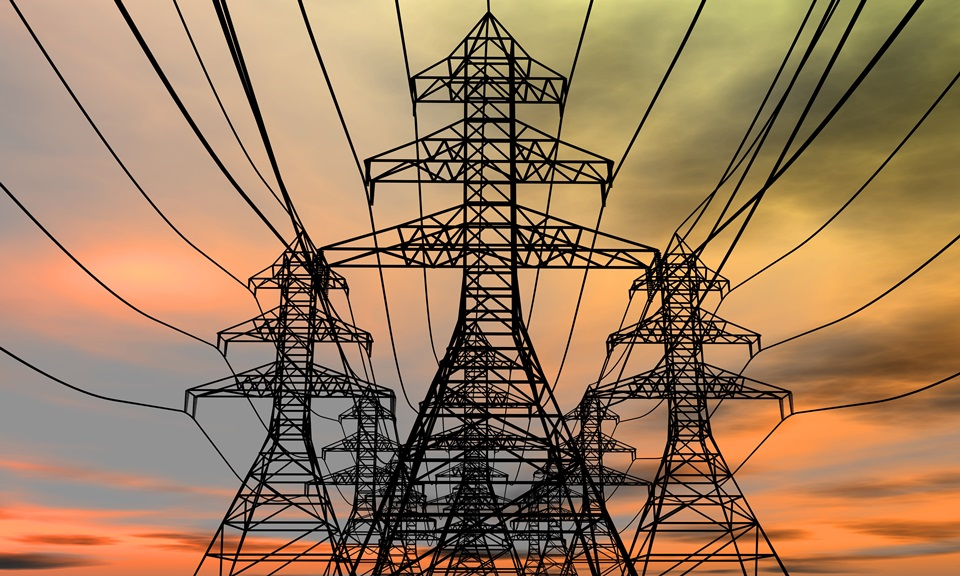
By 2017, 5.7 million households had been connected, against a target of 6.5 million. The government’s goal was to achieve “universal access” with 95% of homes connected by 2020 .
If successful, Kenya would become one of the first African countries to achieve universal access, after Algeria, Mauritius, and the Seychelles .
6.3. The Last Mile
The “Last Mile Connectivity Project” became the flagship of this campaign. Recognising that many households were already close to existing transformers, the programme subsidised connections to bring them onto the grid.
A study by the University of California, Berkeley and Innovations for Poverty Action found that in western Kenya, 84% of unconnected households were within 200 metres of a connection point . The challenge was not extending the grid, but connecting those already next to it.
As Moss cautioned, “progress on these types of things are never linear. The closer you get to 100%, the harder it gets, hence, the ‘last mile'” .
6.4. The Green Grid
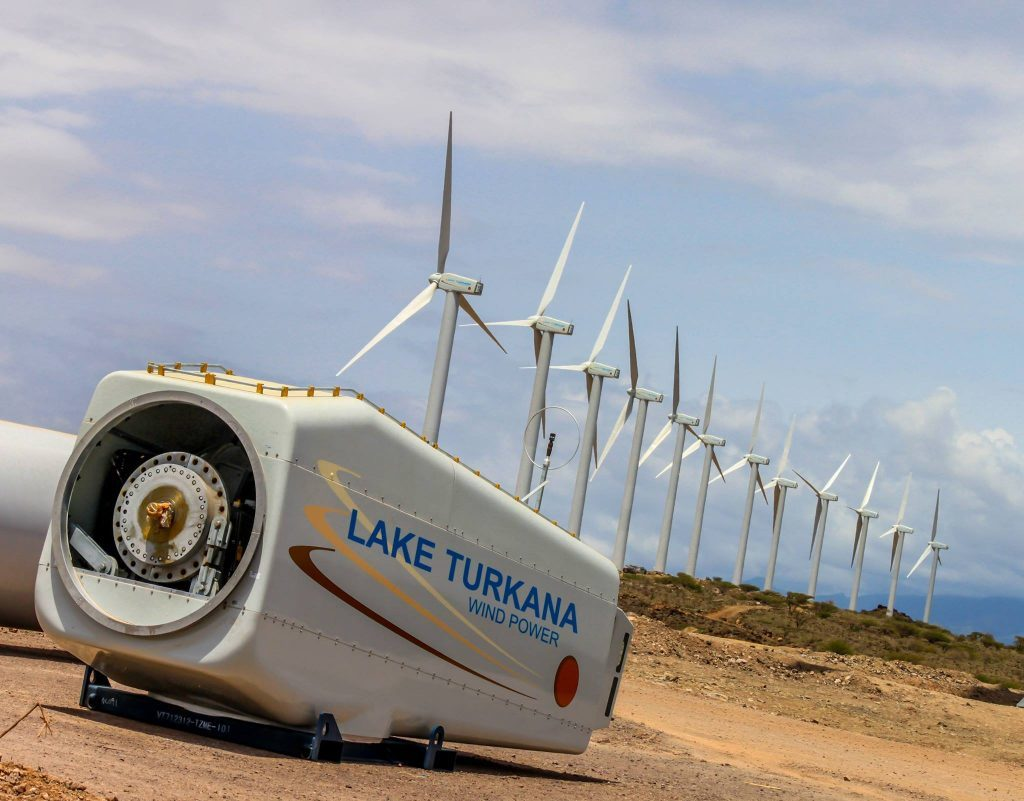
Throughout this expansion, Kenya maintained its commitment to renewable energy. More than 60% of installed capacity came from hydro and geothermal sources . The Lake Turkana Wind Power project, Africa’s largest wind farm, added 310 MW to the grid. Geothermal capacity continued to expand, with additional units at Olkaria.
Part Seven: Contemporary Challenges and Controversies
7.1. Blackouts and Instability
For all its progress, Kenya’s grid has faced persistent challenges. Blackouts are common enough that lawmakers have considered bills requiring Kenya Power to compensate customers for shortages exceeding three hours .
During one parliamentary debate on such a bill, the power went out—providing unintended but compelling testimony . In a 2016 incident, a monkey tripped a transformer, causing a nationwide power outage . Such incidents underscore the vulnerability of even modern grids.
7.2. High Costs and Debt
Kenya Power has faced significant controversy over electricity pricing. Despite being the monopoly distributor, the company has reported substantial losses while charging rates that provoke public outcry . As of April 2021, the company had commercial debt of KSh 65.5 billion (approximately US$555 million) .
7.3. The Ethiopia Connection
In a significant regional development, Kenya Power signed a 25-year power purchase agreement with Ethiopian Electric Power in 2022 . Starting in November 2022, Ethiopia began supplying 200 MW to Kenya, increasing to 400 MW for the remaining 22 years of the contract .
The power flows along the Sodo–Moyale–Suswa High Voltage Power Line, a 1,045 km transmission line that is one of the largest infrastructure projects in the region. The deal, worth over KSh 100 billion, represents a new era of energy interconnection in East Africa .
7.4. The Corporate Structure
As of 2015, the Kenyan government remained the largest shareholder in Kenya Power, with the Ministry of Finance holding 50.09% . Other major shareholders include Standard Chartered Nominees (20.61%), KCB Nominees (5.72%), and various institutional investors .
The company is listed on the Nairobi Securities Exchange under the ticker KPLC, and as of 2025 employed approximately 10,500 people .
Part Eight: The Future – Regional Hub, Green Leader
8.1. The Geothermal Potential
Kenya’s geothermal potential is estimated at up to 10,000 MW—far more than the country currently needs. Development of this resource could position Kenya as a regional energy exporter, powering industries across East Africa with clean, reliable electricity.
8.2. The Regional Grid
The Ethiopia interconnection is only the beginning. Kenya is part of the Eastern Africa Power Pool, a regional initiative to create a unified electricity market. Plans include connections to Tanzania, Uganda, and beyond.
As the 2022 agreement demonstrates, Kenya is positioning itself as a hub in a regional grid—importing when advantageous, exporting when possible, and ensuring stability through interconnection .
8.3. The Last Mile Continues
The universal access goal remains elusive but is within reach. The challenge now is not just connection, but consumption. As Todd Moss noted, Kenya Power’s figures measure physical connections, not actual usage . Truly universal access requires that households can afford to use the power they are connected to.
Conclusion: From Palace to People
The journey of electricity in Kenya has been extraordinary. It began in 1875 with a single generator lighting a sultan’s palace. It passed through the hands of colonial merchants and engineers, was shaped by the ambitions of an independent nation, and has now reached millions of households across the country.
Kenya built Africa’s first geothermal plant and became a world leader in renewable energy . It restructured its utilities to separate generation, transmission, and distribution—creating a more efficient system. It launched one of the fastest electrification campaigns in history, aiming to achieve in seven years what took America three decades .
Yet challenges remain. The grid is still vulnerable to disruption. Costs are high. Debt burdens the utility. And the “last mile” of universal access demands continued effort.
But the trajectory is clear. From a single spark in Zanzibar to a regional grid spanning East Africa, Kenya’s power story is one of vision, persistence, and innovation. The lights are coming on, across the nation, one connection at a time.
Further Reading on Kenyan History
| Article | Link |
|---|---|
| The History of Nairobi | Read |
| The History of Mombasa | Read |
| A History of Kenya’s Navy and Maritime Security | Read |
| Kenya’s Colonial Administration 1920-1963 | Read |
| Africanising Capitalism: Kenya’s Gambit to Create a Black Bourgeoisie | Read |
| The History of Political Parties in Kenya | Read |
Comments Section Discussion Questions
- Did you grow up with electricity in your home? If not, when did you first get connected?
- Kenya is a world leader in geothermal energy—should the government invest more in this resource?
- Have you experienced the “high cost” of electricity? Do you think prices are fair?
- What do you think of the Ethiopia power deal? Is regional energy cooperation the way forward?