The Kamba Clans of Kenya: Structure, Origins, and Enduring Identity
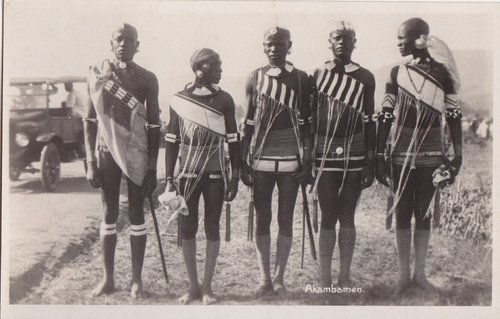
kamba clans

The Kamba, or Akamba, are one of Kenya’s largest Bantu-speaking communities, traditionally inhabiting the semi-arid plateau region of Ukambani in south-eastern Kenya. This homeland today covers Machakos, Kitui, and Makueni counties, though significant Kamba populations have migrated to Nairobi, Mombasa, and overseas. Over centuries, the Kamba earned a reputation as long-distance traders, skilled craftsmen, and … Read more
The History of Nairobi

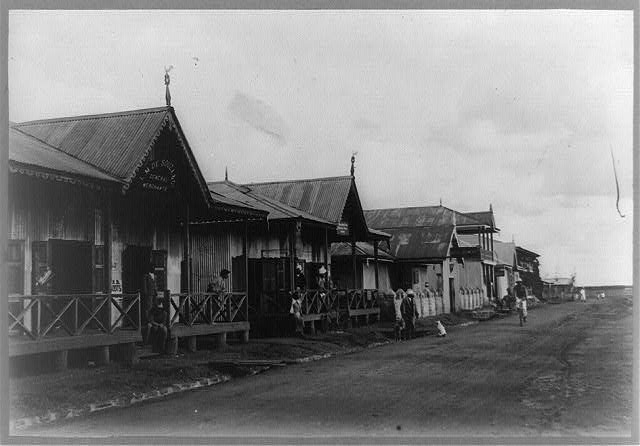
History of Nairobi

Nairobi should not exist. At least not in the way it does now. Before the 1890s, the land that would become Kenya’s capital was a swampy plain, a stretch of flat grassland with patches of marsh. The Maasai called it Enkare Nyirobi — the place of cool waters — but to British engineers building the … Read more

Kenya’s 44 Tribes: Origins, History and Cultural Identity

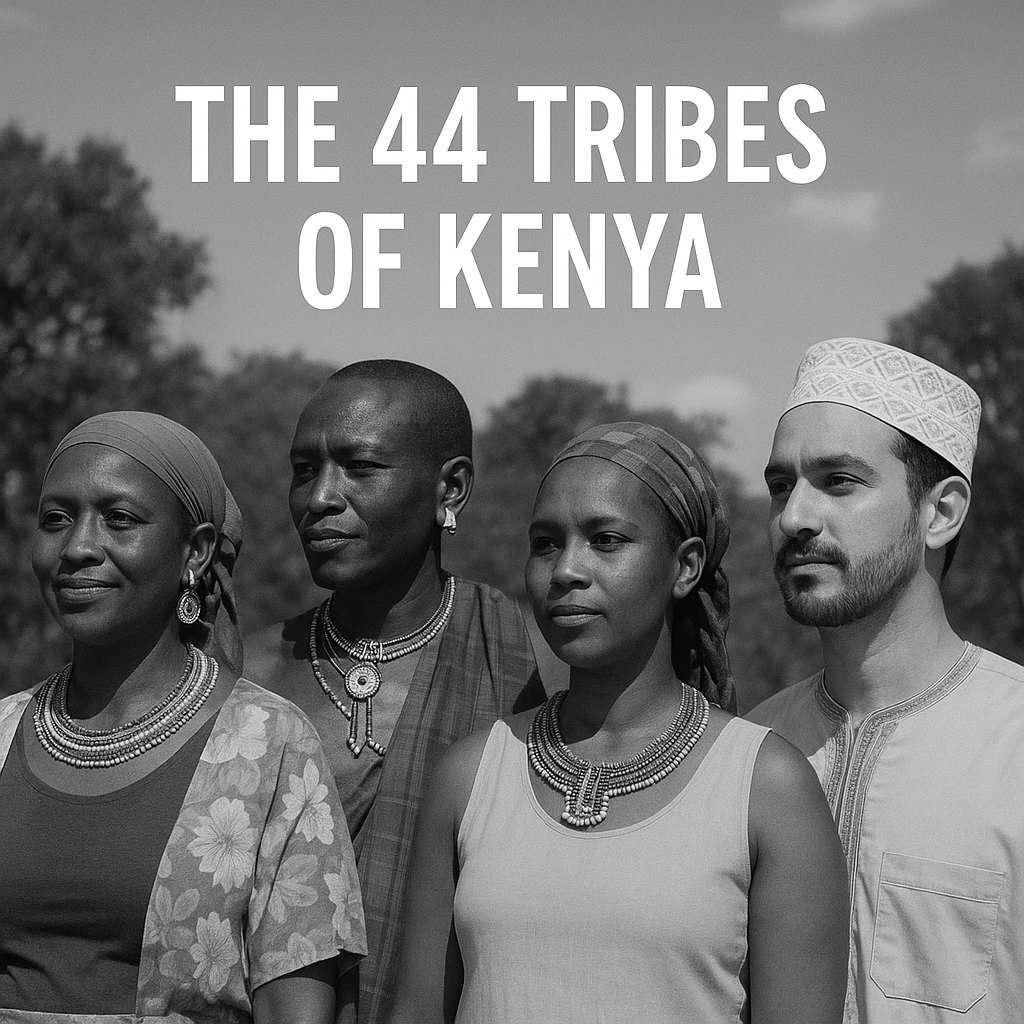
tribes

Long before Kenya existed as a nation, its land was home to dozens of distinct peoples — each with their own language, cosmology, and way of life. Today, 44 officially recognised ethnic groups share this territory, belonging to three great linguistic families: the Bantu, the Nilotic, and the Cushitic. On the coast, the Mijikenda and … Read more

The Seventeen Luhya Sub-Groups

Luhya Sub-Groups

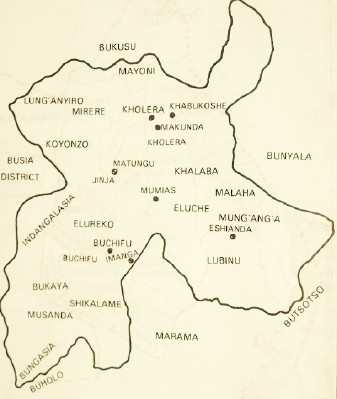
Drawing on The Luyia of Kenya by John Osogo (1967) and supplementary ethnographic sources, we can identify the seventeen main sub-ethnic groups that make up the Luhya confederation. Note: some scholars list up to 19, depending on how the subgroups are classified. Here is the most widely accepted breakdown: 1. Wanga 2. Bukusu 3. Maragoli … Read more