The Kamba Clans of Kenya: Structure, Origins, and Enduring Identity
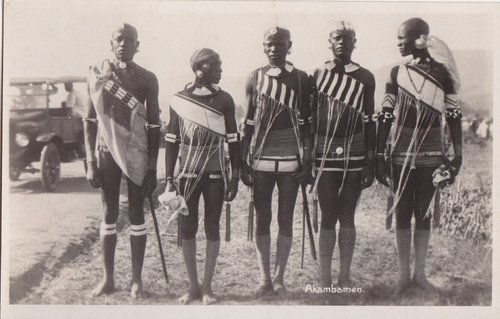
kamba clans

The Kamba, or Akamba, are one of Kenya’s largest Bantu-speaking communities, traditionally inhabiting the semi-arid plateau region of Ukambani in south-eastern Kenya. This homeland today covers Machakos, Kitui, and Makueni counties, though significant Kamba populations have migrated to Nairobi, Mombasa, and overseas. Over centuries, the Kamba earned a reputation as long-distance traders, skilled craftsmen, and … Read more
Kenya’s 44 Tribes: Origins, History and Cultural Identity

Long before Kenya existed as a nation, its land was home to dozens of distinct peoples — each with their own language, cosmology, and way of life. Today, 44 officially recognised ethnic groups share this territory, belonging to three great linguistic families: the Bantu, the Nilotic, and the Cushitic. On the coast, the Mijikenda and … Read more

The Seventeen Luhya Sub-Groups

Luhya Sub-Groups

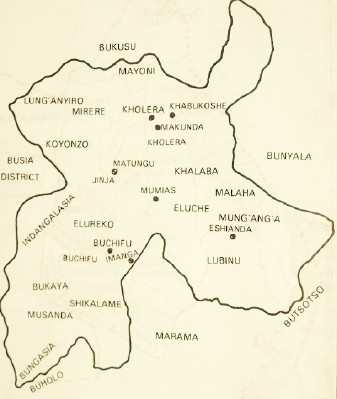
Drawing on The Luyia of Kenya by John Osogo (1967) and supplementary ethnographic sources, we can identify the seventeen main sub-ethnic groups that make up the Luhya confederation. Note: some scholars list up to 19, depending on how the subgroups are classified. Here is the most widely accepted breakdown: 1. Wanga 2. Bukusu 3. Maragoli … Read more

Rendille Camel Nomads of Northern Kenya: A World Where Time and Belief Converge

Rendile

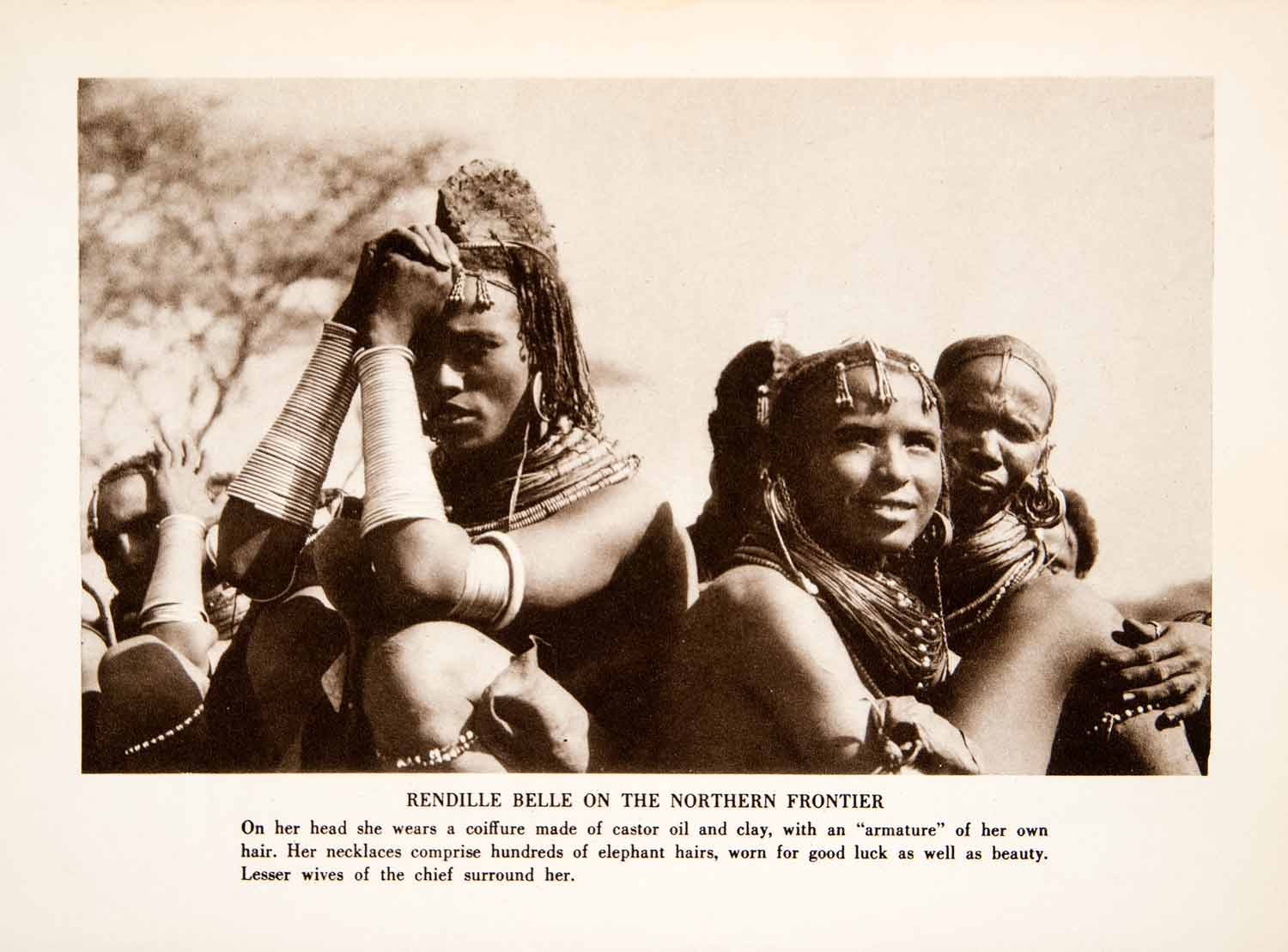
Stretching across the dry expanse six hundred kilometers north of Nairobi, the Rendille are a people whose lives are woven together by camels, stars, ritual, and belief. In a landscape that rises only here and there into lava‐hardened plateaus or the occasional forested mountain, these camel‐herding nomads have forged a social cosmos entirely their own—one … Read more

Reclaiming African Memory: A Tribute to Ngugi wa Thiongo

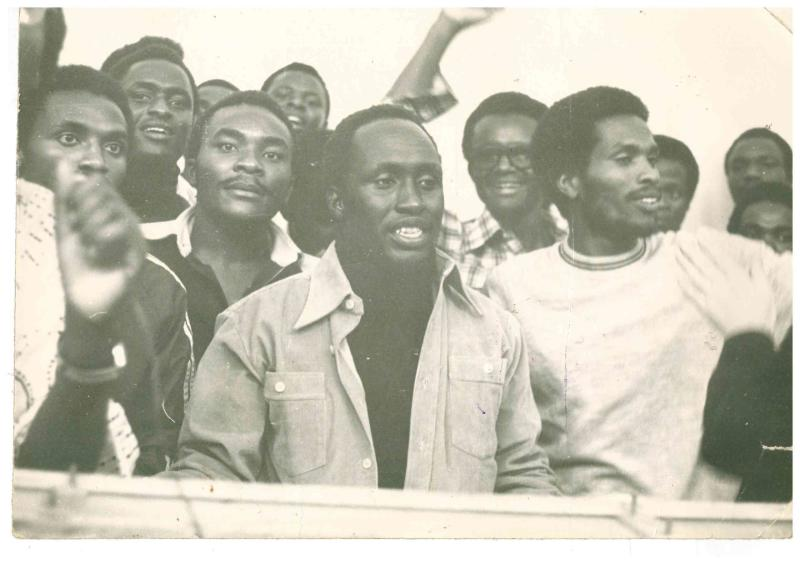
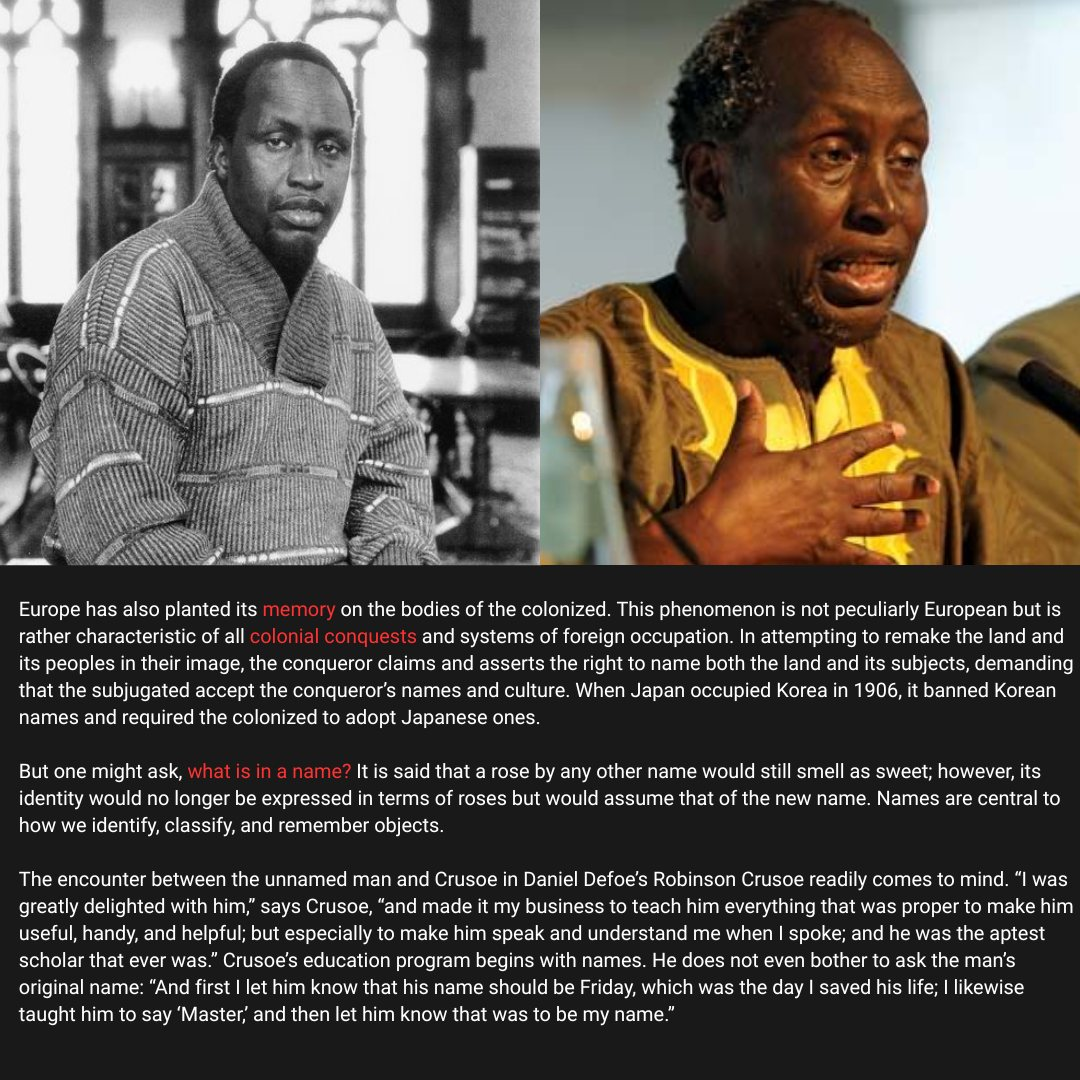
Ngũgĩ wa Thiong’o’s life work was fundamentally a struggle to diagnose—and ultimately to reverse—the distortions of African cultures and societies wrought by colonialism and its after-effects. Across his major works, he repeatedly identifies three core elements of “the problem”: 1. Cultural and Linguistic AlienationNgũgĩ shows how colonialism, far more than a simple political or economic … Read more

Planting Memory: Colonial Mapping and the Erasure of African Place Names

Planting Memory

Wherever they went, in their voyages of land, sea, and mind, Europeans planted their own memories on whatever they contacted. In his book The Idea of Africa, V. Y. Mudimbe writes, “The geographic expansion of Europe and its civilization . . . submitted the world to its memory.” Mapping, which involves exploration and surveying, was … Read more