
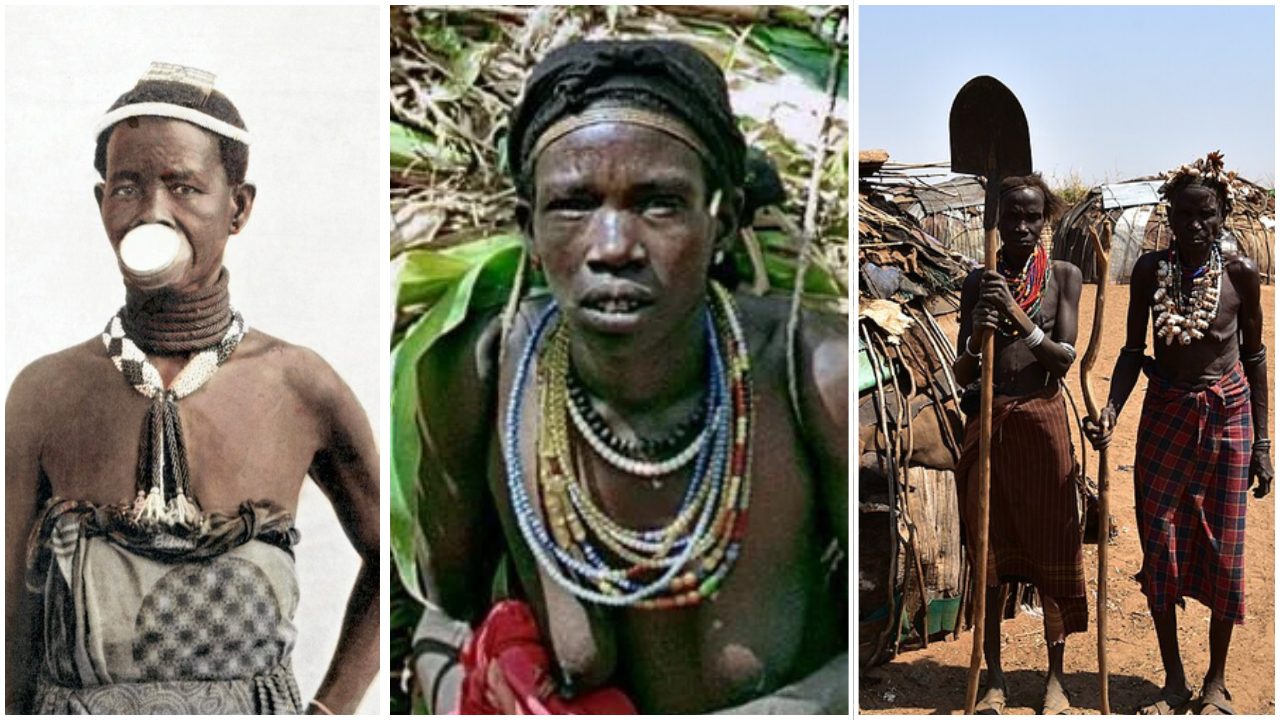
When Kenyans talk about ethnicity, the conversation usually centres on the big communities: the Kikuyu, Luhya, Kalenjin, Luo and Kamba, each numbering in the millions. But Kenya’s 2019 census also counted communities so small that their entire population could fit into a single school hall. Some have fewer than 1,000 members. Several have lost their original languages, and a few face real questions about whether their identity will survive another generation.
This article looks at the smallest tribes in Kenya according to the 2019 Kenya Population and Housing Census, who they are, where they live and why their numbers are so low. For the full picture of the country’s communities, see our guide to the tribes of Kenya.
What the 2019 Census Shows
Kenya’s 2019 census counted 47,564,296 people. At the top of the ethnic list are the Kikuyu, with 8,148,668 people, followed by the Luhya at 6,823,842 and the Kalenjin at 6,358,113. At the very bottom of the list are communities numbering only in the hundreds or low thousands.
The smallest communities in the 2019 census
| Community | Population (2019) |
|---|---|
| Dahalo | 575 |
| Kenyan American | 596 |
| Gosha | 685 |
| El Molo | 1,104 |
| Konso | 1,299 |
| Kenyan European | 1,738 |
| Wayyu | 3,761 |
| Makonde | 3,764 |
| Dasenach | 19,337 |
| Aweer (Boni) | 20,103 |
Kenyan Americans and Kenyan Europeans are citizens of foreign descent rather than indigenous ethnic groups, so the list below focuses on the African communities.
1. The Dahalo: Kenya’s Smallest Tribe
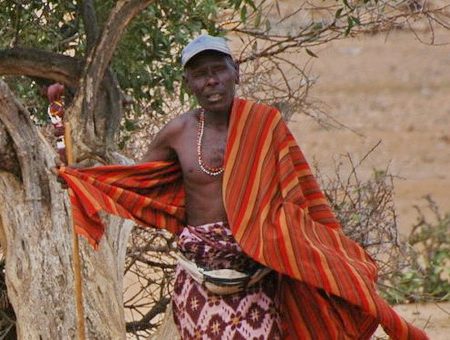
575 people
With just 575 people counted in 2019, the Dahalo are officially Kenya’s least populous community. They live on the coast, around the lower Tana River and the Lamu hinterland. The Dahalo were historically hunter-gatherers, and their language is famous among linguists as one of the very few in East Africa outside Tanzania to use click sounds, a trace of a far older linguistic layer in the region. Most Dahalo today also speak Swahili or neighbouring languages, and their own language is considered seriously endangered.
2. The Gosha
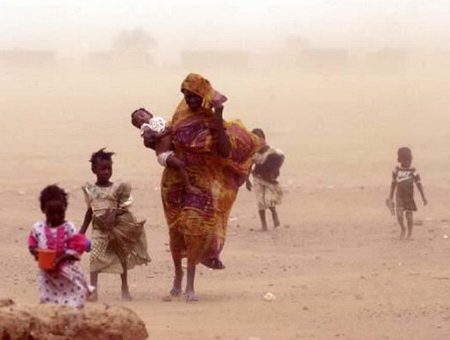
685 people
The Gosha are a small Bantu-speaking community linked to the farming peoples of the Juba River valley in southern Somalia. Many are descended from people who were enslaved and later settled as farmers. In Kenya they are found mostly in the north-eastern and coastal areas near the Somali border. With 685 people recorded in 2019, they are one of the country’s smallest groups.
3. The El Molo
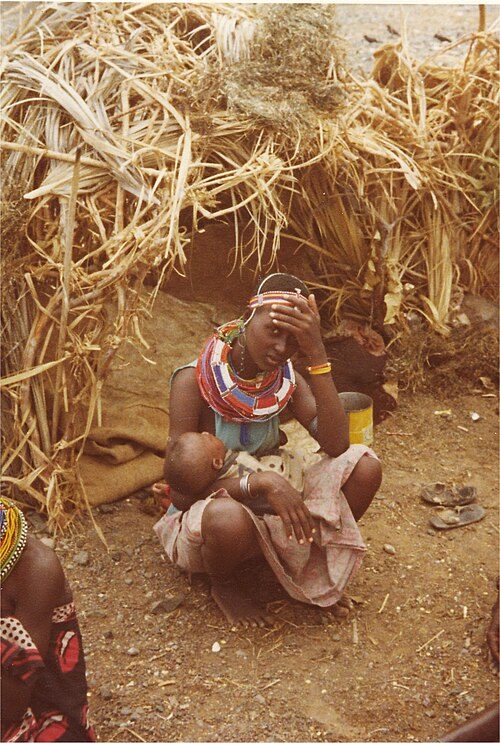
1,104 people
The El Molo live on the south-eastern shores of Lake Turkana, near Loiyangalani, and are traditionally fishermen and hunters of crocodiles and hippos. The 2019 census counted 1,104 El Molo. Their original language belongs to the Cushitic family, but most El Molo now speak Samburu, and by 1994 it was reported that only a handful of people could still speak El Molo. Historians note that intermarriage with neighbouring communities means few “pure” El Molo remain. Read their full story in our article El Molo: the forgotten people of Lake Turkana.
4. The Konso
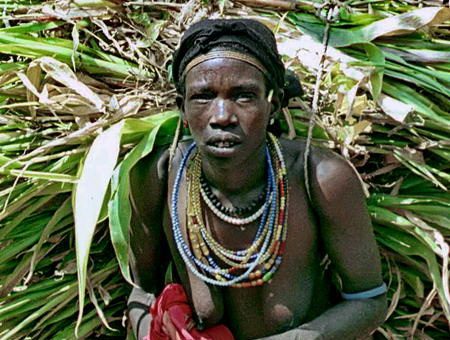
1,299 people
The Konso are best known as a people of southern Ethiopia, famous for their stone-terraced farms and carved wooden grave markers. A small community lives on the Kenyan side of the border, around Moyale and Marsabit. The 2019 census counted 1,299 Konso in Kenya.
5. The Wayyu
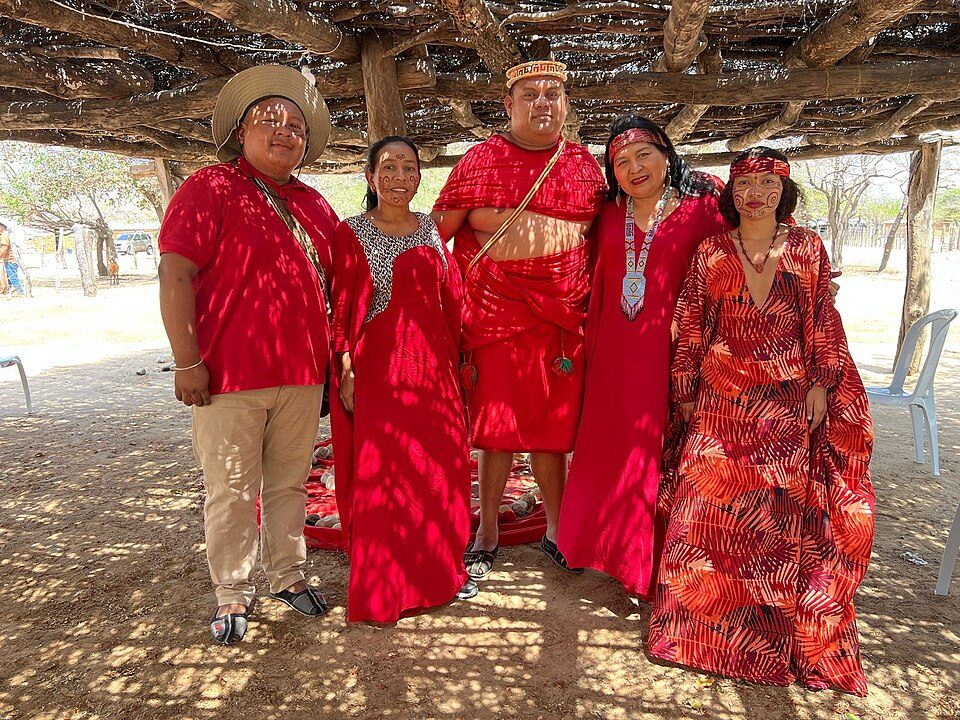
3,761 people
The Wayyu were among the communities recorded separately for the first time in the 2019 census, with 3,761 people. They are found mainly in the Tana River area, a region home to several small communities that live alongside larger groups such as the Orma and Pokomo.
6. The Makonde
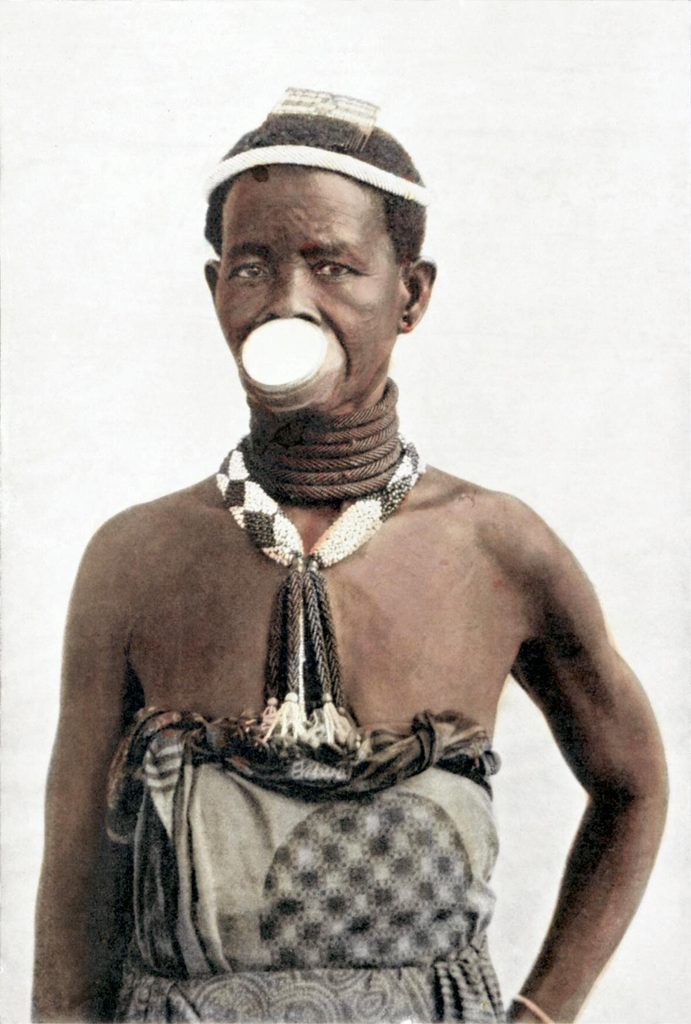
3,764 people
The Makonde originally came from Mozambique and southern Tanzania, and many arrived in Kenya during the colonial era to work on sisal plantations along the coast, especially in Kwale. For decades they lived without Kenyan citizenship. They were officially recognised as a Kenyan community in the late 2010s and appeared in the census for the first time in 2019, with 3,764 people. The Makonde are internationally famous for their intricate wood carving.
7. The Dasenach
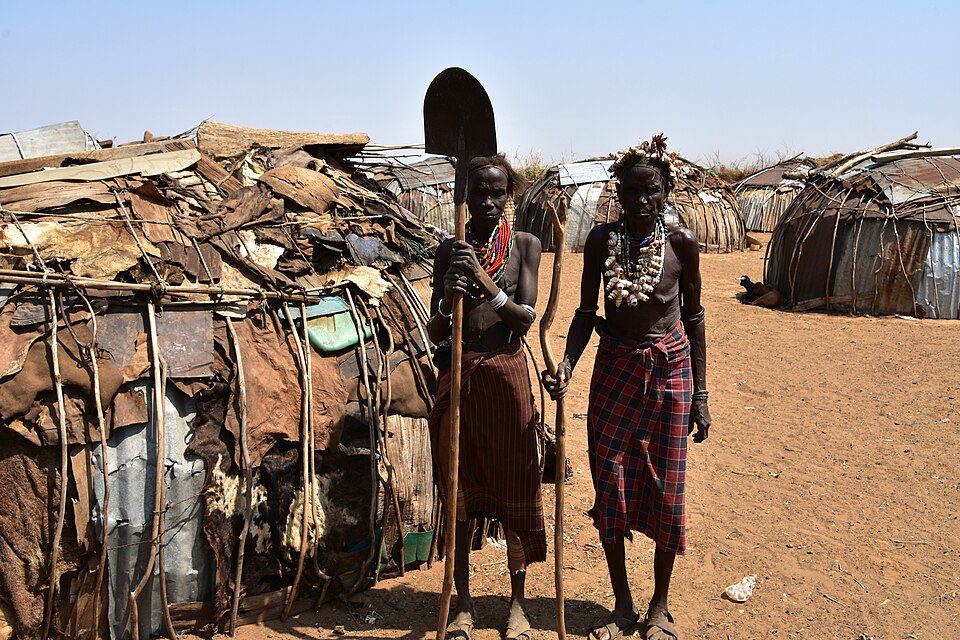
19,337 people
The Dasenach live around the northern tip of Lake Turkana and the Omo River delta, across the Kenya-Ethiopia border. They are agro-pastoralists who herd cattle, goats and sheep and farm along the river. In 2019 Kenya counted 19,337 Dasenach.
8. The Aweer (Boni)
20,103 people
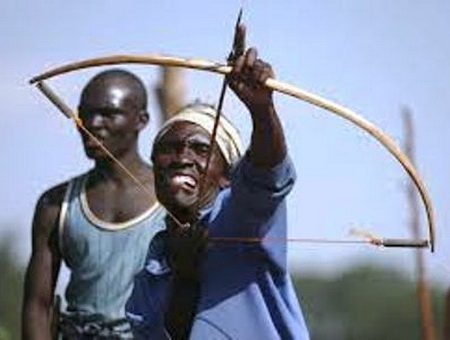
The Aweer, also known as the Boni, are traditional hunter-gatherers of the forests along the Lamu and Tana River border, including the Boni and Dodori forest reserves. They live in more than a dozen small villages in the forest. The 2019 census counted 20,103 Aweer.
Other Small and Indigenous Communities
Several other small communities identify as indigenous peoples and are often discussed alongside the census minorities. These include hunter-gatherer groups such as the Ogiek, Sengwer, Yaaku, Waata and Sanya, and pastoralists such as the Endorois. Some of them are counted within larger groups in the census, which means their true numbers are hard to establish. For background on the Cushitic communities of the north, see our article on Kenya’s Cushitic inheritance, and for the coast, our history of the Mijikenda.
Why Are These Communities So Small?
There is no single reason, but several patterns recur:
- Assimilation. Small groups often intermarry with larger neighbours and adopt their language and customs. Over generations, children may identify with the larger group instead.
- Loss of land and livelihoods. Hunter-gatherer and fishing communities have lost access to forests, lakes and hunting grounds to conservation areas, settlement and conflict.
- Insecurity and displacement. Border regions in the north and along the coast have seen cattle raids, banditry and conflict that scatter small populations.
- How the census counts. Some people from small communities may register under a larger group, so official figures can understate them.
Why It Matters
Each of these communities carries a unique language, history and way of life. When a language like Dahalo or El Molo disappears, it takes with it knowledge of the land, oral history and cultural identity that cannot be recovered. Recognising and protecting Kenya’s smallest communities, through land rights, language preservation and fair representation, is part of honouring the country’s full diversity. For more on how identity is understood in Kenya, see our article on culture in Kenya.
Sources
- Daily Nation: Kenya’s most populous communities revealed
- Nairobi News: Kikuyu most populous tribe in Kenya, census report
- The Standard: Minority communities that you did not know
- Stats Kenya: Number of people by tribe
- Wikipedia: El Molo people
- IWGIA / IFAD: Indigenous Peoples in Kenya (2022)
