System ya Majambazi: Mashifta’s Bold Critique of Kenya’s Corrupt Economy

System ya Majambazi: Mashifta’s Bold Critique of Kenya’s Corrupt Economy

In 2003, the Kenyan rap duo Mashifta released the track “System ya Majambazi,” using razor-sharp lyricism to critique how every stratum of society—from pastors and politicians to lawyers and parents—had become complicit in a corruption so pervasive it could only be described as a “system of thugs” (Timmons, 2018; Haugerud et al., 2024). The title … Read more

The Bantu of Kavirondo: History, Identity, and Continuity in Western Kenya

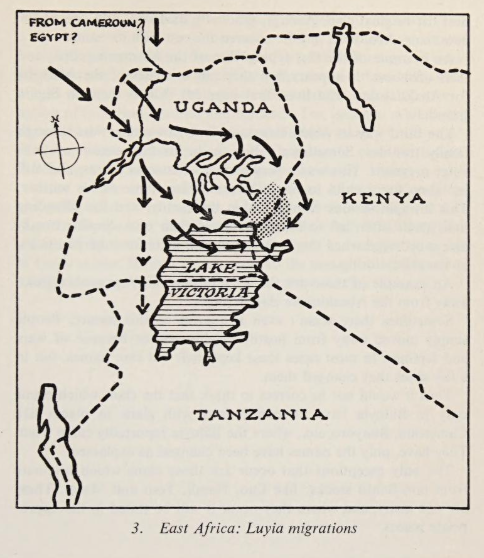
Along the northeastern shores of Lake Victoria in western Kenya lives a diverse group of Bantu-speaking peoples collectively known as the Bantu of Kavirondo. This term, once used by colonial administrators and early anthropologists, refers to several distinct but culturally and linguistically related communities, including the Wanga, Marama, Logoli, Vugusu, and others. Today, most of … Read more

The Kipsigis: History, Origins, and Cultural Evolution in a Changing World

The Kipsigis are one of Kenya’s largest and most influential ethnic groups, known for their rich cultural heritage, distinct social structures, and deep-rooted traditions. As part of the larger Kalenjin community, they have a long history that traces back to the Upper Nile region before eventually settling in the highlands of western Kenya. Over the … Read more

The History of the Meru People of Kenya: Origins, Migration, and Settlement

meru people

Introduction The Meru people of Kenya, who currently inhabit the northeastern slopes of Mount Kenya, have a rich and complex history shaped by migration, oral traditions, and interactions with various groups over centuries. Their origins, debated among scholars, are often traced to multiple ancestral roots, including coastal settlements, Cushitic influences, and connections to ancient African … Read more

The History of Labour Movement in Kenya

The History of Labour Movement in Kenya

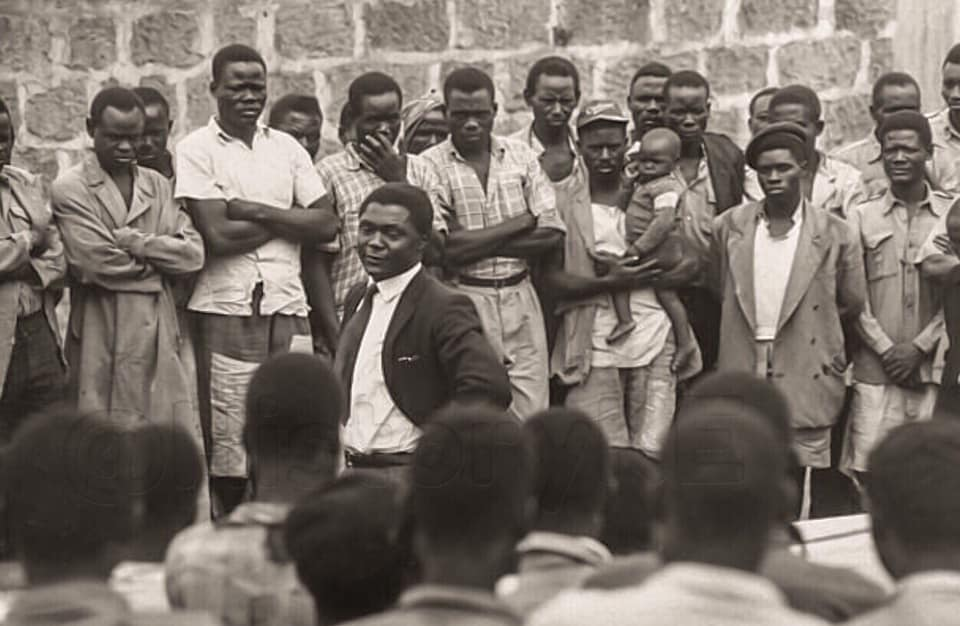
The history of the labour movement in Kenya is deeply connected with the country’s colonial past, economic transformations, and political struggles. As in many African nations under British rule, the emergence of trade unions in Kenya was initially constrained by colonial policies that sought to suppress collective African labour organizing (Mulugeta, 2021). However, through resistance, … Read more

Nairobi in the 1950s: A City of Contrasts During the Emergency Era

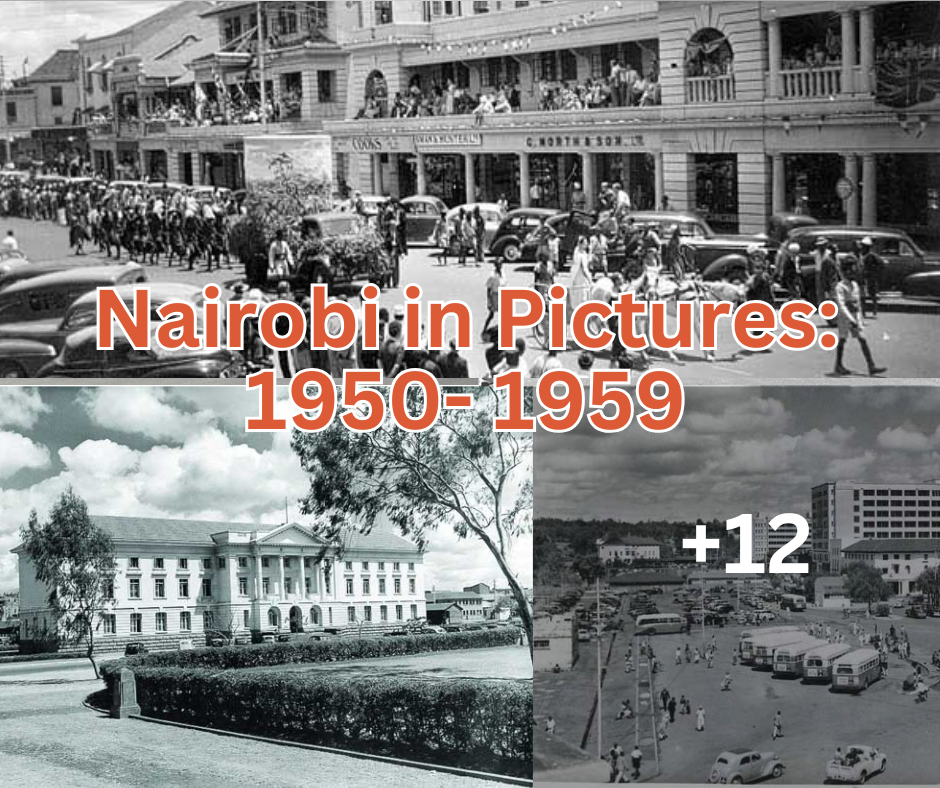
Nairobi in Pictures: 1950- 1959

The 1950s saw the outbreak of war between the Mau Mau and the British-backed settlers and colonial government. While the rebellion was mainly fought in the forests of Mount Kenya and Aberdares, Nairobi became both a battleground and a stronghold for colonial control. The city was torn between two realities—on one side, barbed-wire barricades, military … Read more

The Impact of Christianity on Kenyan Culture

Christianity in Kenya Its Origins, Impact, and Resistance

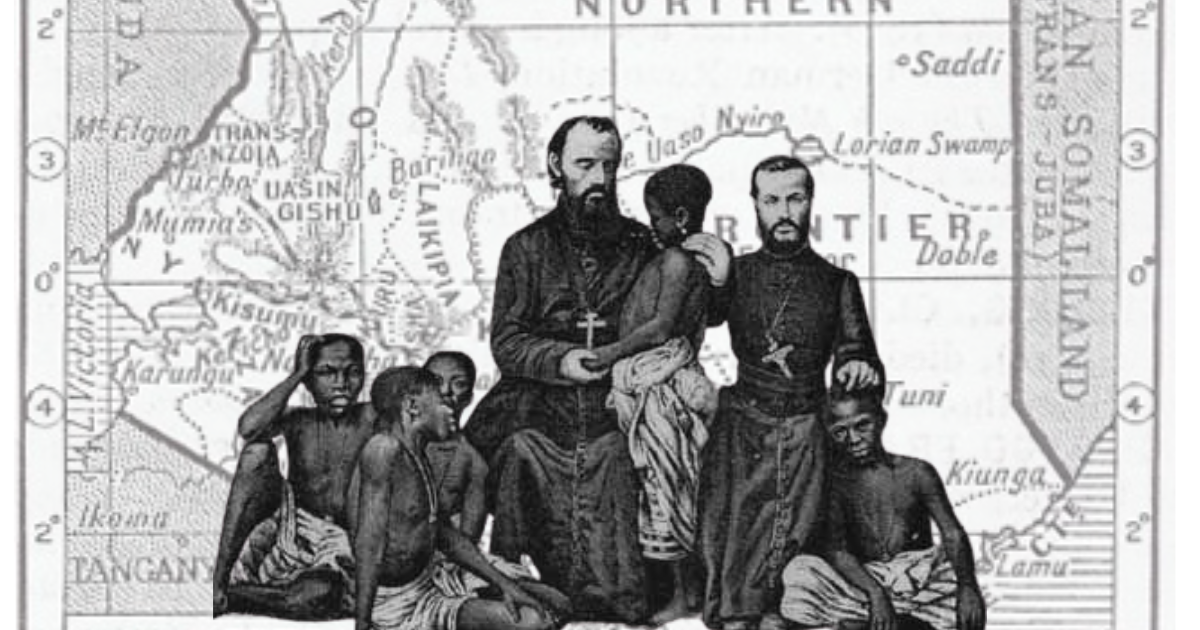
Christianity has played a pivotal role in shaping Kenyan culture since its introduction by European missionaries in the 19th century. While it contributed to advancements in education, health, and governance, it also disrupted indigenous belief systems, cultural practices, and traditional leadership structures. This article explores the historical spread of Christianity in Kenya, its influence on … Read more

Colonialism in Kenya: Its Origins, Impact, and Resistance

Colonialism in Kenya: Its Origins, Impact, and Resistance

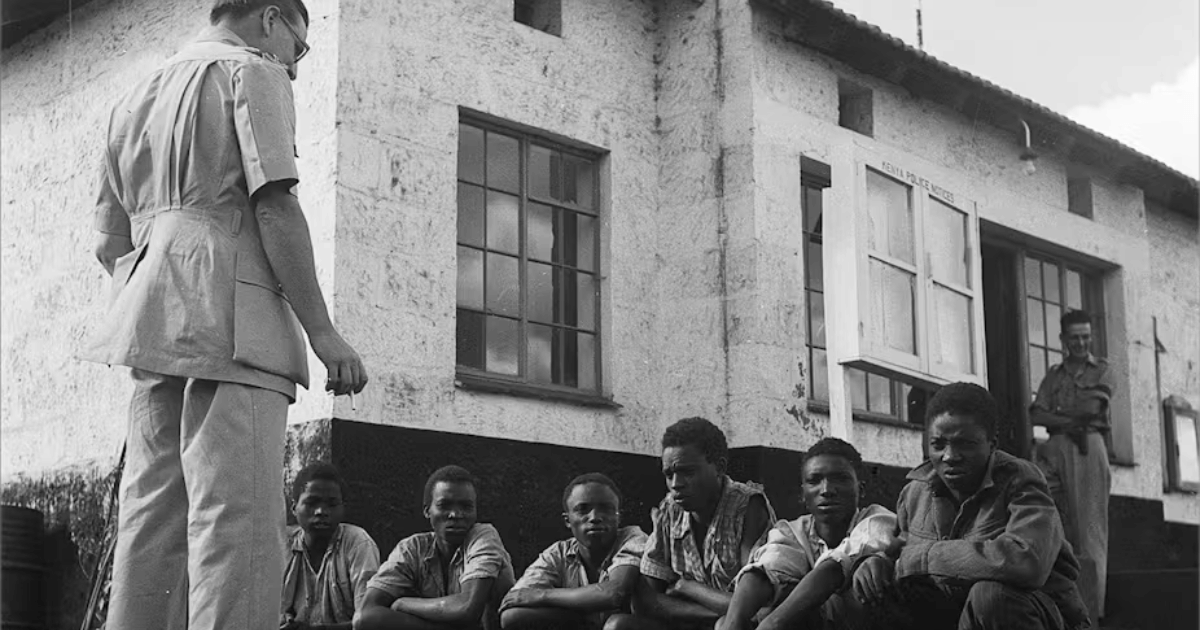
Kenya’s colonial history was shaped by British imperial ambitions, economic exploitation, and African resistance. The British declared Kenya a protectorate in 1895 and later a colony in 1920. Over the next six decades, colonial policies deeply altered the country’s political, social, and economic structures. Land alienation, forced labor, and racial segregation became defining features of … Read more

The Maasai in Transition: History, Land Struggles, and the Rise of Agriculture

The Maasai in Transition: History, Land Struggles, and the Rise of Agriculture

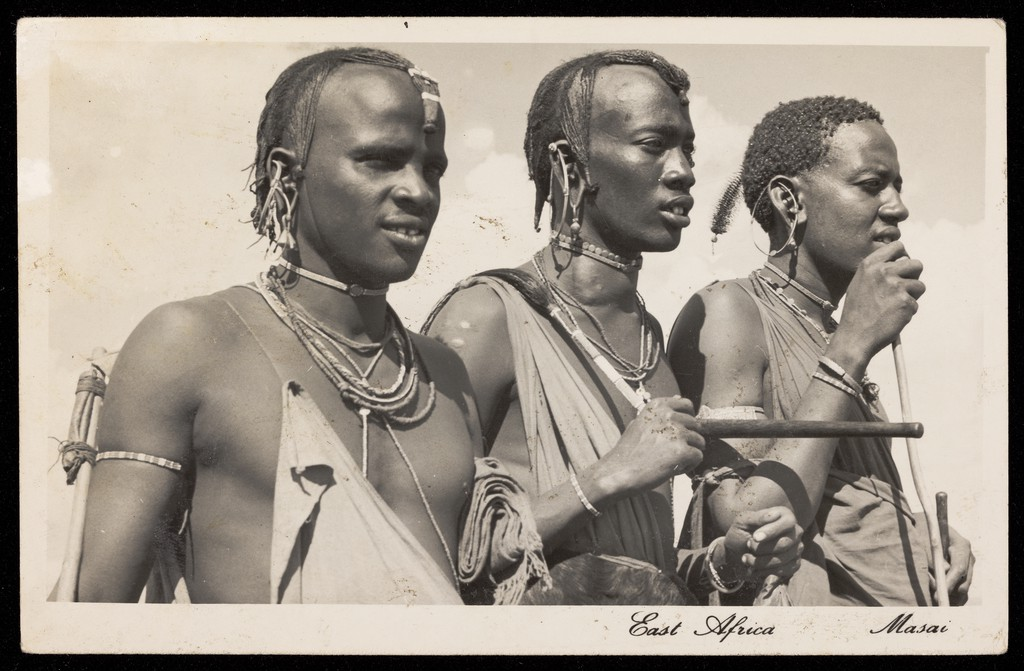
The Maasai are one of East Africa’s most well-known indigenous communities, primarily residing in Kenya and Tanzania. Historically, they have been celebrated for their warrior culture, pastoralist economy, and deep connection to cattle, which have long defined their way of life. However, over the past two centuries, the Maasai have experienced profound transformations due to … Read more