Twelve Years of Nyayo: Nairobi from 1978–1990 in Photographs
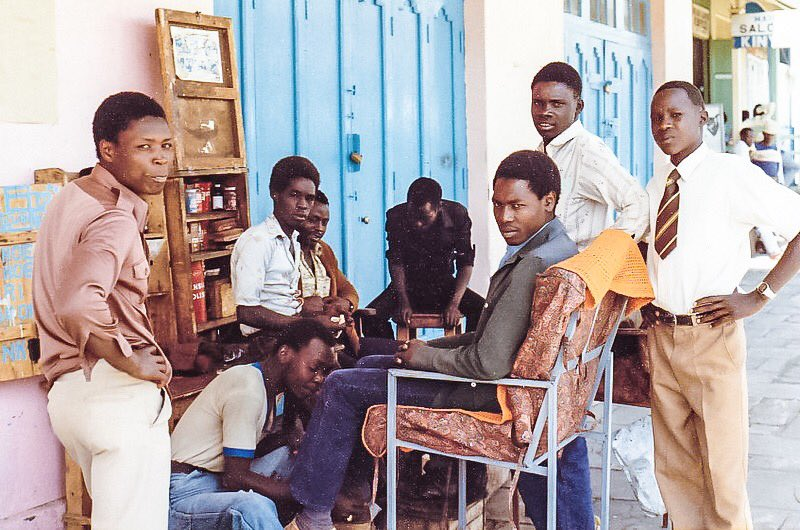
A Visual History of Power, Propaganda, Protest, and Everyday Survival 1978 – The End of One Era, the Beginning of Another Nairobi entered 1978 in mourning. Jomo Kenyatta’s death triggered a carefully orchestrated state funeral that drew presidents, princes, soldiers, and crowds that stretched across the city. The ceremony was as much about grief as … Read more
The History of Political Parties in Kenya

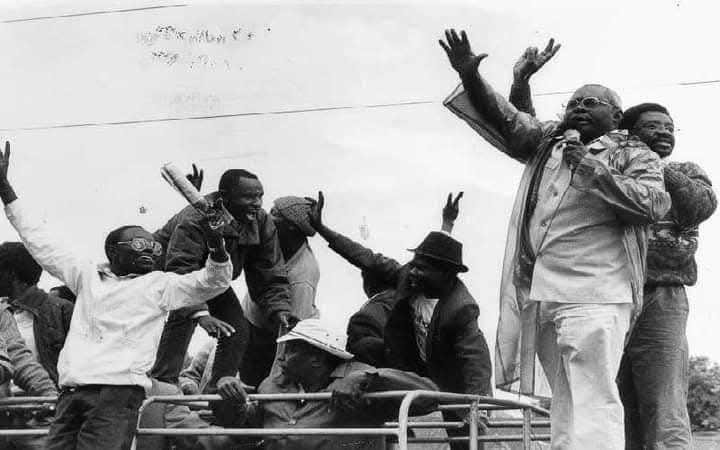
Kenyan politics has never really been about ideology. It has been about access. Access to the state, to contracts, to protection, to networks. Political parties, in this context, are not movements built around ideas. They are vehicles built around people. They exist to capture, negotiate, and distribute power. To understand Kenyan parties, you don’t read … Read more

Presidents of Kenya

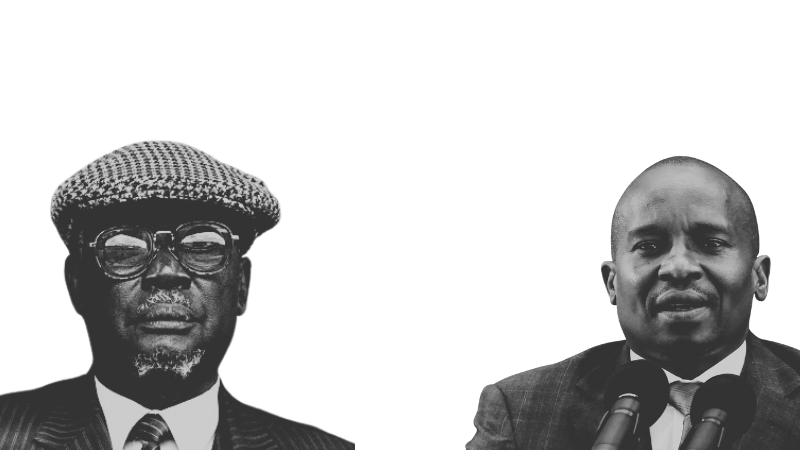
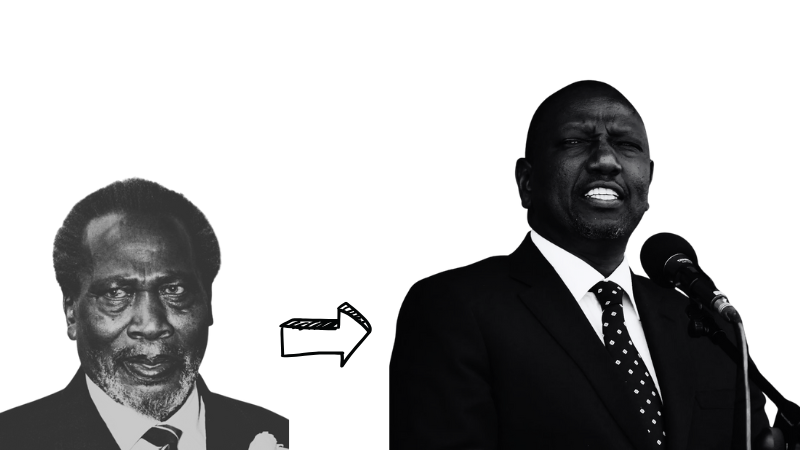
Since independence, Kenya’s presidency has been the most powerful institution in the country, shaping governance, the economy, public expectations, and the balance between state and citizen. Each administration altered the political architecture it inherited—sometimes strengthening institutions, sometimes bending them, often redefining them entirely. This analysis traces how Kenya’s heads of state used power, responded to … Read more

Tracing Kenya’s Treasury Since Independence

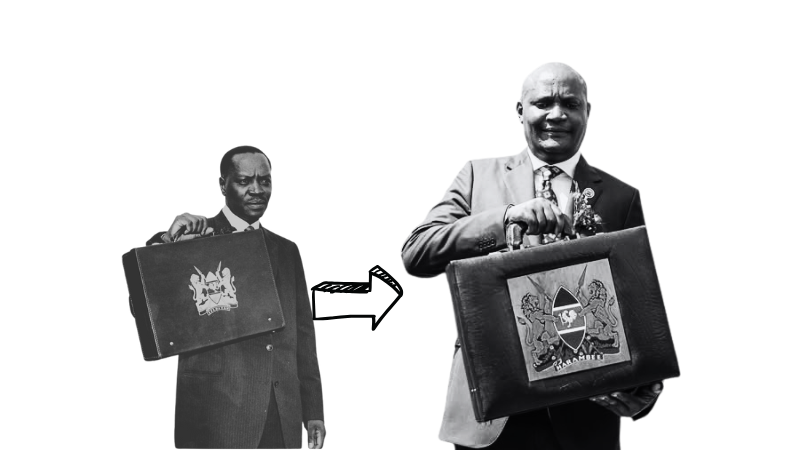
Since independence in 1963, the National Treasury has been the quiet engine of state power. It has shaped Kenya’s development, funded its politics, fuelled its scandals, and determined the opportunities—or crises—faced by each generation. To follow the Treasury is to follow the true story of Kenya: the hopes of independence, the patronage networks of the … Read more

Kenyan Vice Presidents from Independence

Since independence in 1963, the Office of the Vice President—now the Office of the Deputy President—has been Kenya’s most delicate seat of power. Created to symbolise national balance, it has instead become the frontline of political mistrust, sudden dismissals, unexpected alliances, and dramatic successions. To follow the history of Kenya’s vice presidents is to follow … Read more

The Kisumu Massacre of 1969: Independence Betrayed

The Kisumu Massacre

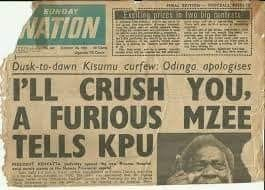
Independence was supposed to end the shootings. The Union Jack had come down in 1963, and Kenyans were told they were free. But on October 25, 1969, in the lakeside city of Kisumu, it was Kenyan police and the presidential guard who opened fire on unarmed citizens. Dozens, perhaps hundreds, of men, women, and children … Read more

The Birth and Evolution of Kenya’s Multiparty Democracy

Multiparty Democracy

Kenya’s transition from a de facto one-party state to a formally recognized multiparty democracy was the result of decades of political struggle, civic activism, and constitutional reform. After independence in 1963, the Kenya African National Union (KANU) gradually eliminated meaningful opposition. By the early 1980s, President Daniel arap Moi had tightened KANU’s grip through constitutional … Read more

Why Are Kenya’s Youth Protesting? Understanding the Roots of Change

Why Are Kenya’s Youth Protesting

If you’ve seen images or headlines about massive youth-led protests in Kenya and wondered, “Why is this happening?” you’re not alone. For anyone new to Kenya’s history, the recent Gen Z uprising might seem sudden or confusing. But in reality, what’s happening today is part of a much longer, ongoing story—a struggle over change that … Read more

The 1971 Coup Attempt Against President Jomo Kenyatta: A Factual Account

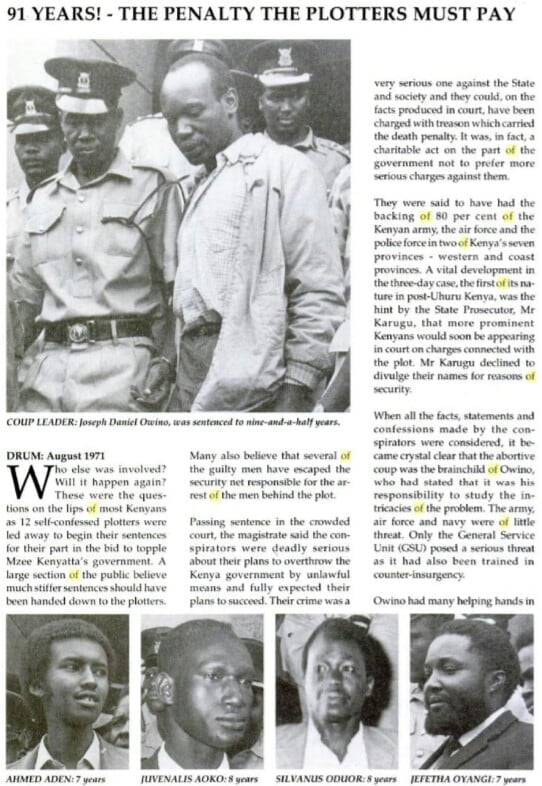
In early April 1971 a group of military officers and civilians in Kenya conspired to overthrow President Jomo Kenyatta’s government. The plotters included serving officers, opposition politicians, and at least one member of the judiciary. Their aim was to remove Kenyatta and install a new regime by force, mirroring coups that had recently occurred in … Read more