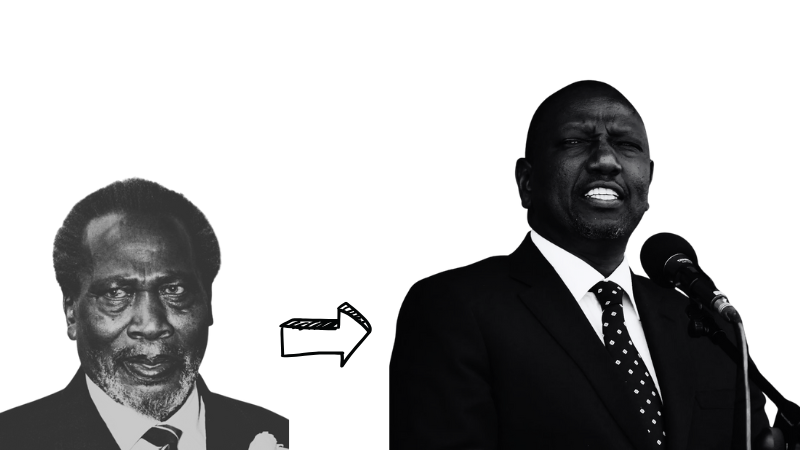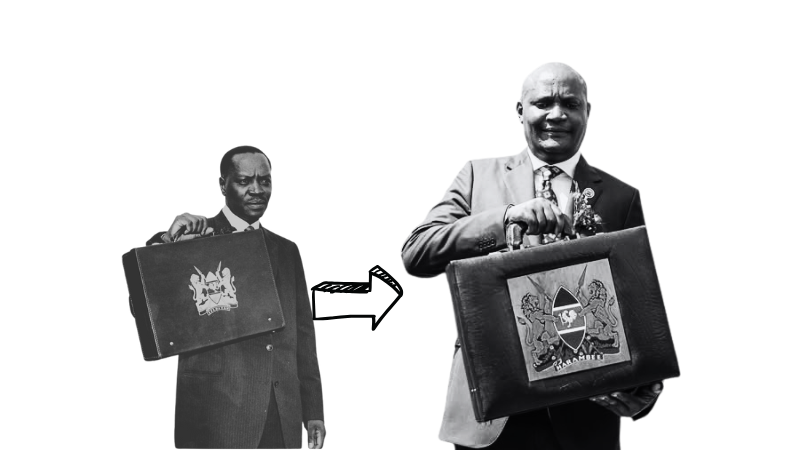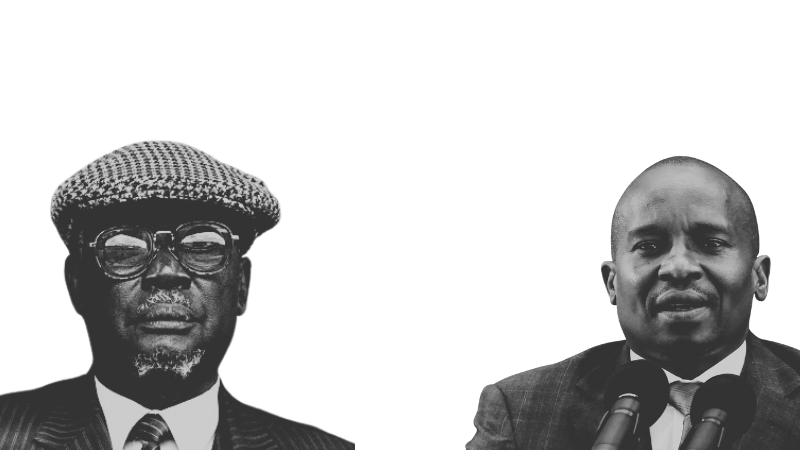
Kenyan Vice Presidents from Independence

Since independence in 1963, the Office of the Vice President—now the Office of the Deputy President—has been Kenya’s most delicate seat of power. Created to symbolise national balance, it has instead become the frontline of political mistrust, sudden dismissals, unexpected alliances, and dramatic successions. To follow the history of Kenya’s vice presidents is to follow … Read more

Waiyaki wa Hinga (d. 1892): The First Flame of Kikuyu Resistance

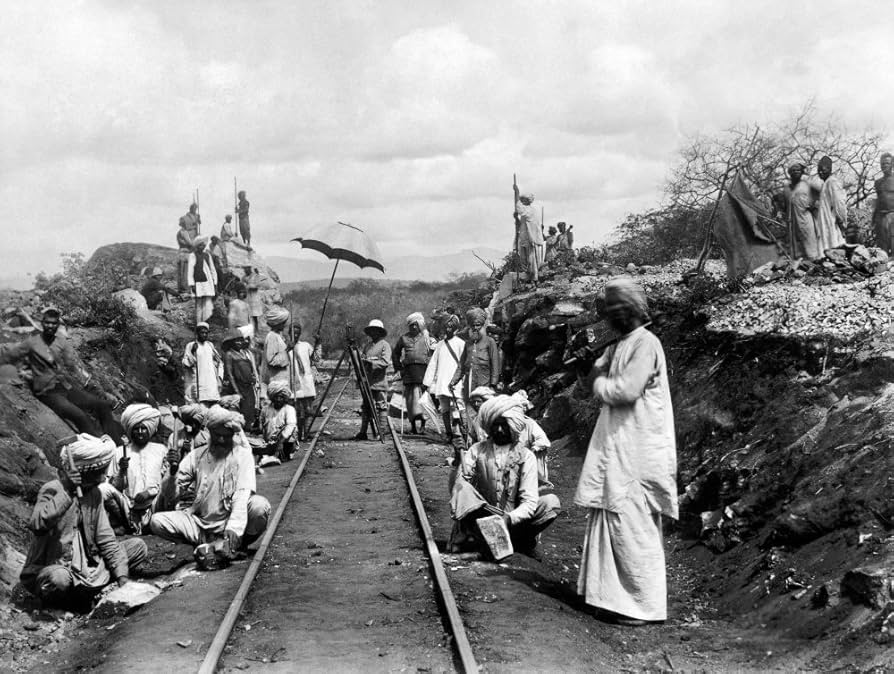
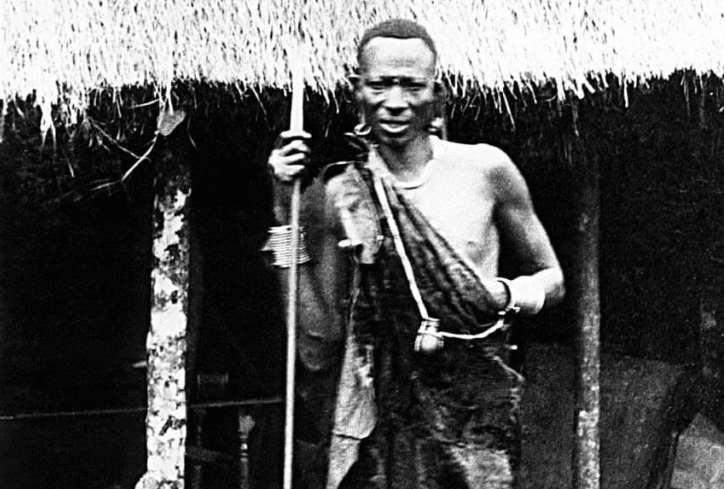
Before the name Mau Mau was ever whispered, before colonial forts rose above Kikuyu ridges, there was Waiyaki wa Hinga — chief of Southern Kiambu and one of the first Kenyans to confront empire head-on. A Warning in the Highlands By the late 1880s, caravans under the Imperial British East Africa Company were pushing inland, … Read more

Koitalel arap Samoei: The Orkoiyot Who Defied Empire

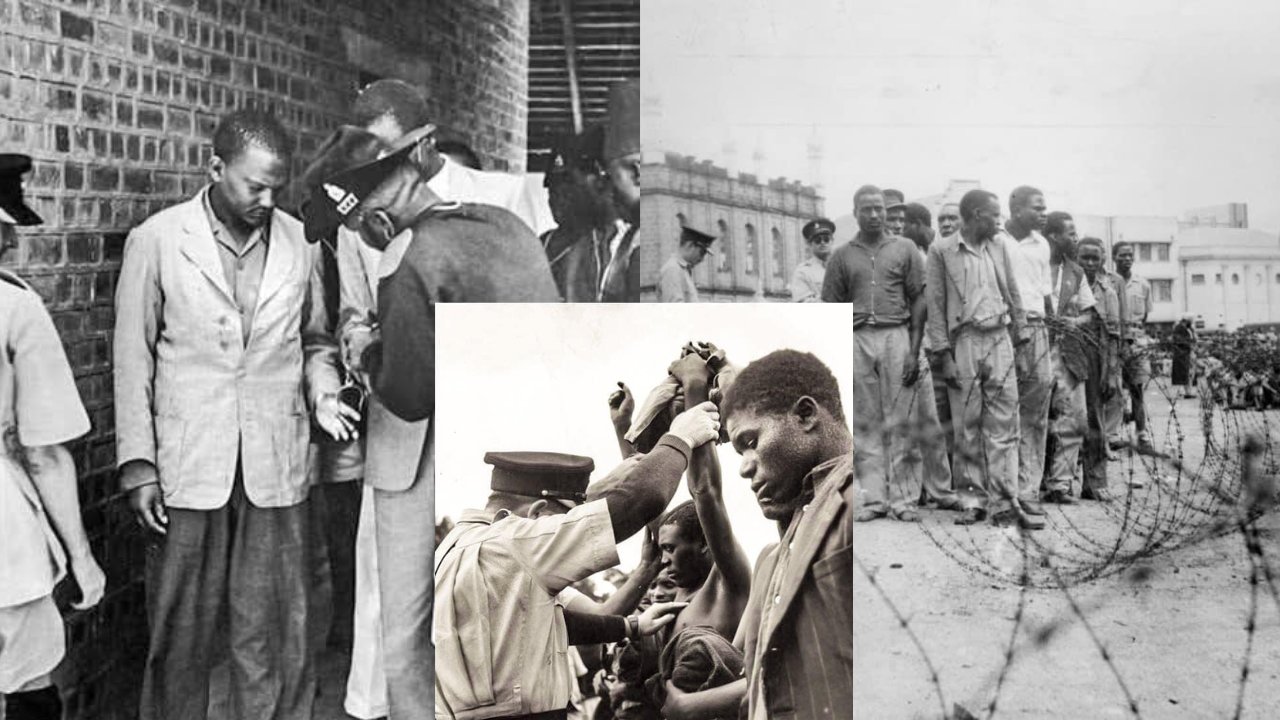
In the mist-draped highlands of Kenya’s Rift Valley, where escarpments break the clouds and the wind carries ancestral memory, one name still travels in whispers — Koitalel arap Samoei. Born around 1860 among the Nandi, Koitalel was more than a warrior. He was the Orkoiyot — a sacred leader who merged prophecy with strategy, faith … Read more

Mekatilili wa Menza: Giriama Freedom Fighter Against Colonial Rule

Early Life Among the Giriama People Mekatilili wa Menza (born Mnyazi wa Menza) was born in the 1860s (some sources say 1840s) in Mutsara wa Tsatsu village, in present-day Kilifi County of coastal Kenya. She was the only daughter in a family of five children, with four brothers. Her name “Mekatilili” reflects Giriama naming customs—it … Read more

Taboos in Kamba Society

The Kamba (Akamba) of eastern Kenya have long maintained a rich system of traditional taboos governing marriage, birth, food, gender roles, death, and spirituality. These taboos are rooted in a worldview where the sacred and everyday life interpenetrate. In Kamba cosmology, a sky‐god (Mulungu or Ngai) and a pantheon of ancestral spirits (aimu or maimu) … Read more