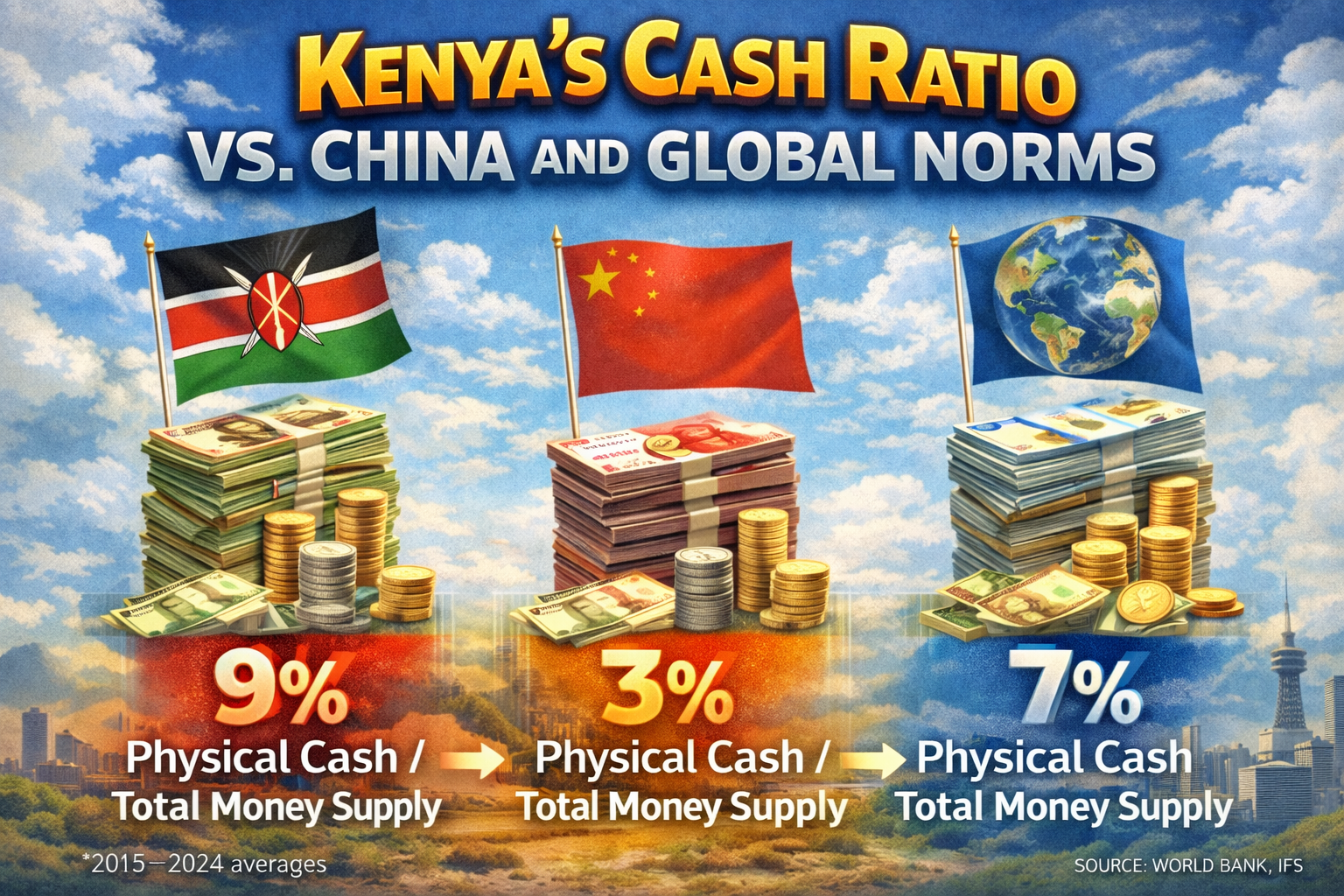
Kenya’s Cash Ratio vs. China and Global Norms

Kenya’s banking liquidity structure is notably cash-light: only about 7–10% of Kenya’s broad money supply is physical cash, with the rest being bank deposits or electronic money. This low cash ratio, achieved largely thanks to widespread mobile money (M-Pesa), is comparable to or even lower than many larger economies. For instance, in the United States … Read more

Mwai Kibaki’s Impact on Kenya’s Financial System (1969–1982)

Emilio Mwai Kibaki served as Kenya’s Minister for Finance and Economic Planning from 1969 to 1982 – the longest tenure in that position. This era spanned the late Jomo Kenyatta presidency and the early years of Daniel arap Moi. Kibaki, a British-trained economist, quickly earned a reputation as a prudent technocrat. During his stewardship, Kenya … Read more

How Kenyan Banks Create Cash from Thin Air

One sunny afternoon in Nairobi, a skeptical bank customer named Wanjiku stared at her SMS banking alert. Her paycheck of KSh 50,000 had just been deposited into her account at Co-operative Bank. A comforting message assured her: “Dear Customer, your funds are safe with us.” But Wanjiku couldn’t shake a nagging question: How can her … Read more

The Lost Art of the Vigango: Kenya’s Forgotten Sculptures

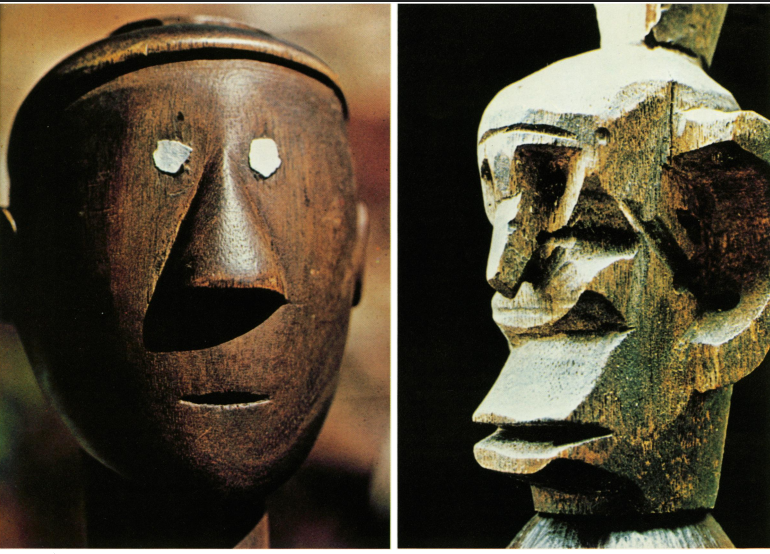
In the hills and coastal forests of Kenya’s south lived a tradition that quietly embodied the spiritual and artistic genius of the Mijikenda people. Long before colonialism and tourism reduced African art to souvenirs, the Mijikenda carved figures of remembrance called vigango—wooden memorial posts that stood as spiritual intermediaries between the living and the dead. … Read more

The Kisii Riots of 1908: How Nyanza Defied the Empire’s Whip

Kisii Riots of 1908

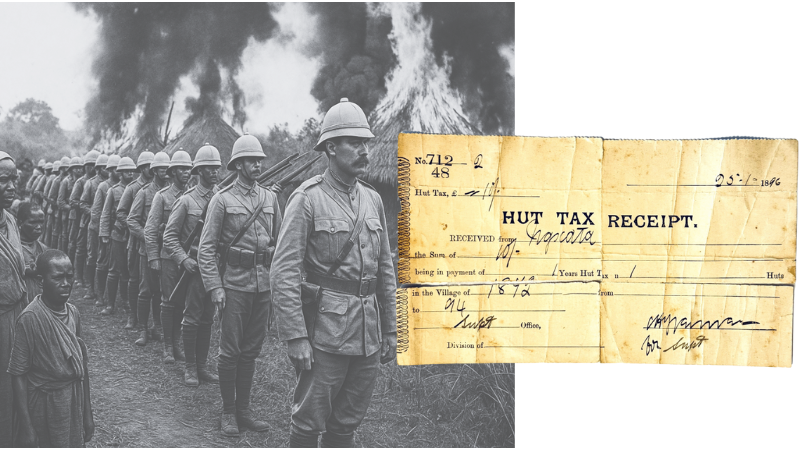
Every empire begins by pretending it brings order. The British said they were bringing “civilization” to Kenya; what they brought to Kisii in 1908 was the hut tax, whips, and the rifle. Today, when Kenyans talk about colonial resistance, the story usually jumps straight to the Mau Mau in the 1950s, or maybe the Giriama … Read more

The Mombasa Dockworkers Strike of 1947: Kenya’s First Mass Protest?

Mombasa Dockworkers Strike

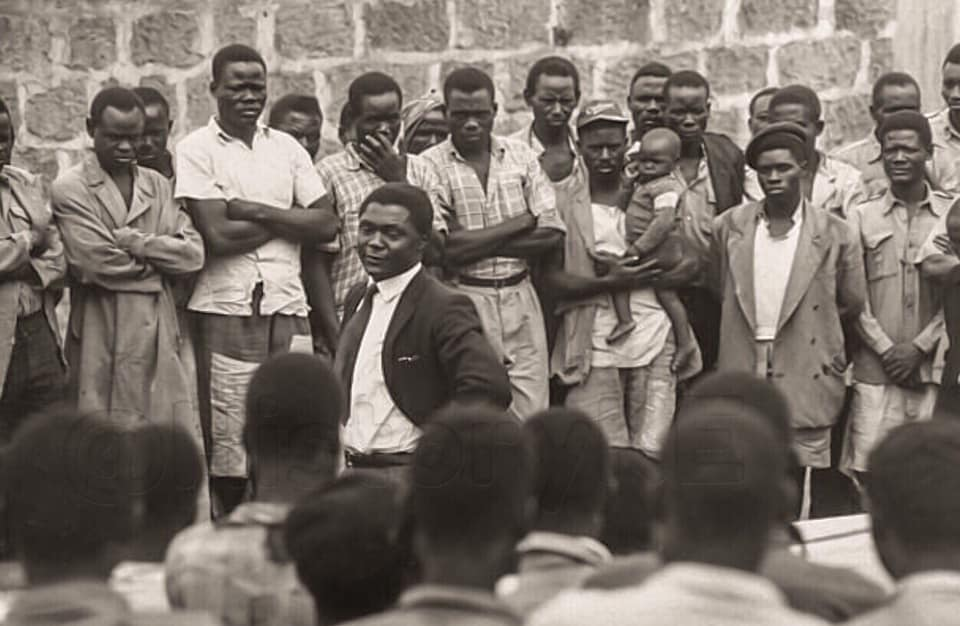
In February 1947, the port city of Mombasa became the unlikely epicenter of a labor movement that would ripple across Kenya for decades. The dockworkers’ strike that paralyzed East Africa’s busiest colonial port was more than a wage dispute. It was a confrontation between African labor and imperial capital, between colonial indifference and the urgent … Read more

The History of Labour Movement in Kenya

The History of Labour Movement in Kenya

The history of the labour movement in Kenya is deeply connected with the country’s colonial past, economic transformations, and political struggles. As in many African nations under British rule, the emergence of trade unions in Kenya was initially constrained by colonial policies that sought to suppress collective African labour organizing (Mulugeta, 2021). However, through resistance, … Read more

The Role of Labor Scarcity in Shaping Kenyan History

The Role of Labor Scarcity in Shaping Kenyan History

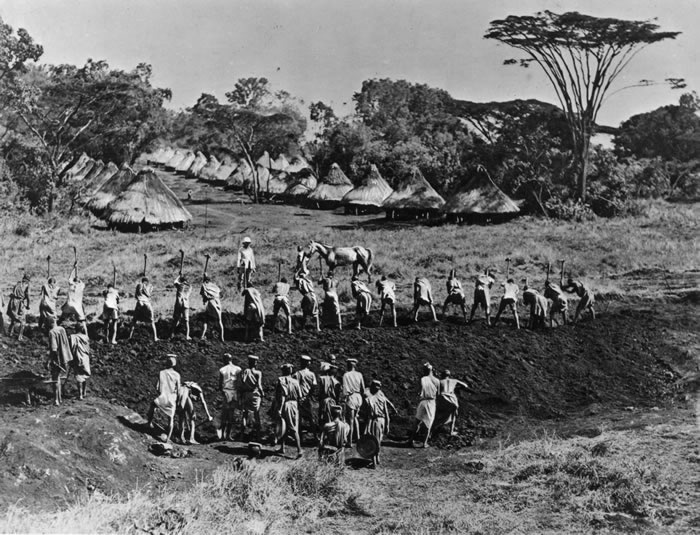
Labor scarcity has been a recurring theme in Kenya’s history, influencing societal structures, agricultural practices, and colonial policies. From pre-colonial systems of land use to the exploitative labor practices of the colonial era, labor scarcity profoundly shaped the lives of ordinary Kenyans. This article explores how labor shortages were addressed through innovative systems and how … Read more

Why Do Good Leaders Hesitate to Lead? A Lesson from Socrates for Kenya

Throughout history, many have wondered why individuals who deeply understand justice and possess wisdom are often reluctant to assume leadership roles. Socrates, one of the greatest philosophers in Western thought, offers valuable insights into this paradox. For Kenya, a country that has long grappled with political challenges, this lesson is especially relevant as it seeks … Read more